Have you checked your home for radon? Governor Cooper thinks you should. Alongside the North Carolina Department of Health and Human Services, Cooper declared January National Radon Awareness Month and made 5,000 radon test kits available to the public.
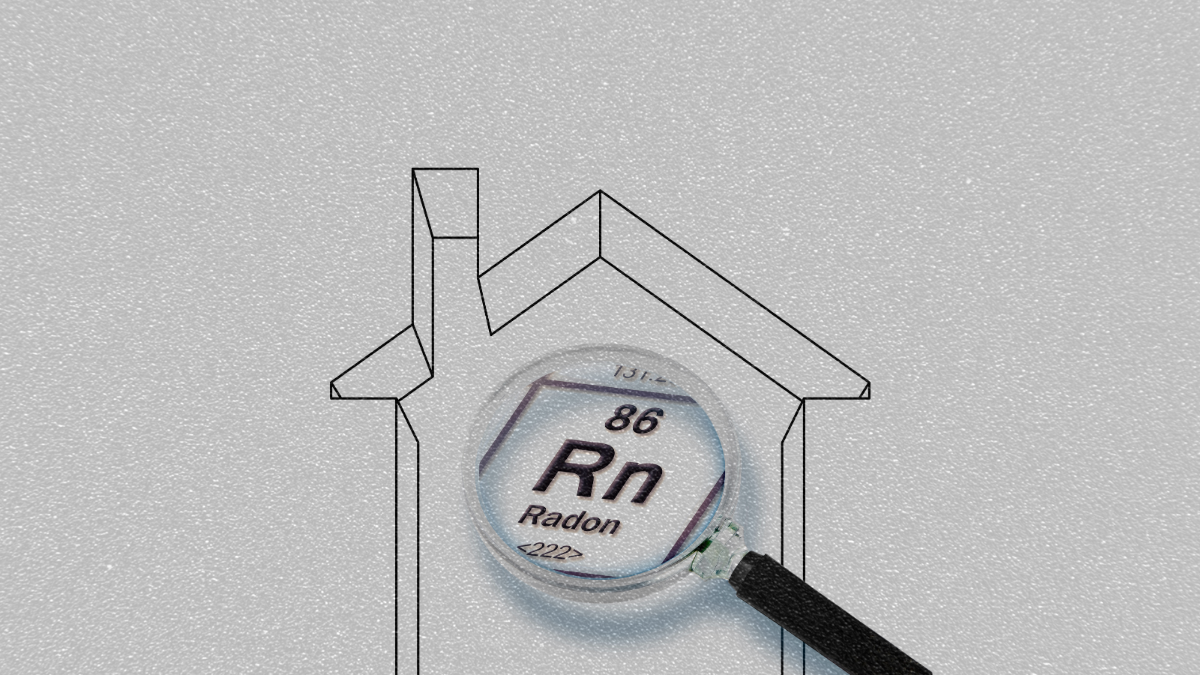
So what’s radon? It’s a carcinogenic gas with no taste or smell that’s produced when radioactive elements decay. Radon comes from the small amounts of uranium naturally found in rocks and soil but has a huge impact when it escapes into the air. According to the CDC, radon exposure kills an estimated 21,000 Americans each year and is the leading cause of cancer among non-smokers.
If you need another reason to quit smoking, high radon exposure makes cancer risks 25 times higher for current or former tobacco users. In North Carolina alone, the NCDHS estimates that 450 residents die each year from exposure, with the American Association of Radon Scientists and Technologists calculating a combined $283,000,000 impact on the state’s economy and healthcare system in their 2023 NC “Radon Report Card”
Yikes. So how do I avoid radon? The bad news is that radon appears wherever there’s soil or minerals, but the danger varies by location and determined by factors such as exposure duration, local temperature, age, and smoking history. For example, the NCDHHS estimates that only 7% of homes in North Carolina contain radon above the CDC’s recommendations but these locations are hidden inside each city and county across the state.
It’s important to keep that 7% statistic in mind when you consider data like the CDC’s National Environmental Public Health Tracking Network, which shows that 73 of the 100 counties in North Carolina have indoor air levels of radon that are above safety standards. The list includes NC’s most populous areas including Wake, Mecklenburg, Guilford, Forsyth, and Cumberland counties.
This localized risk is why the CDC states that “testing your home is the only way to know if radon levels are high.”
Free kits are available via the NCDHHS, the NC Radon Office, and the KSU National Radon Program. Kits are limited to one per household.
Source: Press Release