Alrededor de 1,400 votantes registrados en Carolina del Norte recibirán cartas esta semana en las que se les solicita que cancelen voluntariamente su registro para votar o presenten documentos que...
Read More

Alrededor de 1,400 votantes registrados en Carolina del Norte recibirán cartas esta semana en las que se les solicita que cancelen voluntariamente su registro para votar o presenten documentos que...
Read More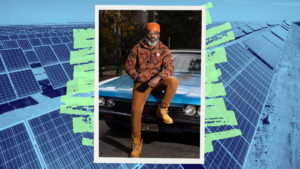
Mayor Robinson believes that small towns have more ability than big cities to be nimble, and are thus the best places to test and refine new clean energy models, just as Enfield has been doing.

“We will come and make our voices clear, no matter how far you push a polling site off of our campus, no matter how far you drag it up the street, no matter if you put it all the way on the other side of Greensboro, we will organize. We will march,” said student organizer Xavier Jones.

This year’s changes have tightened the rules even further, largely around how the ballot’s two envelopes must be sealed. While a seemingly minor technicality, it’s one that could lead to twice as many ballots being rejected this year.
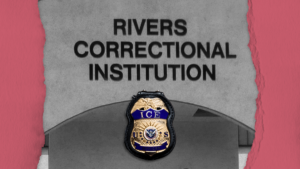
Alrededor de 1,400 votantes registrados en Carolina del Norte recibirán cartas esta semana en las que se les solicita que cancelen voluntariamente su registro para votar o presenten documentos que demuestren su ciudadanía estadounidense.
Entre las organizaciones participantes figuran The Cultivator, Fuerza Triad, Durham Congregations in Action y el North Carolina Council of Churches.

La jueza Anita Earls defendió su derecho constitucional a la libertad de expresión ante una investigación judicial en 2023.

Hopscotch Music Festival is back in town! The popular music festival is back, September 10 to 12 in Downtown Raleigh. If you are looking for ways to join the festivities, we’ve got you covered on what to expect.

The analysis from Carolina Forward allows you to see for yourself. Select your county, and see who benefits and who loses. In Wake County, for example, Duke Energy is the largest benefactor while funding for hundreds of teachers, paramedics, and sheriff’s deputies would be at stake.

In addition to the funds, Meta has agreed to implement comprehensive measures to keep children under 13 off its platforms, add default settings that better protect teens, and give parents more control of their teens’ accounts. Teens will begin to see changes on their accounts within a few months.

Los cambios no serán inmediatos. Los agentes deberán completar una capacitación supervisada por ICE antes de ejercer funciones migratorias. Según los documentos de los acuerdos, la capacitación incluirá información sobre las facultades de los agentes, las leyes de derechos civiles y el uso de la fuerza.

Two years after Hurricane Helene devastated western North Carolina, communities are still waiting for billions in federal recovery funding. At a recent Gastonia campaign rally, President Donald Trump threatened to withhold that outstanding disaster assistance if Michael Whatley loses his Senate race.
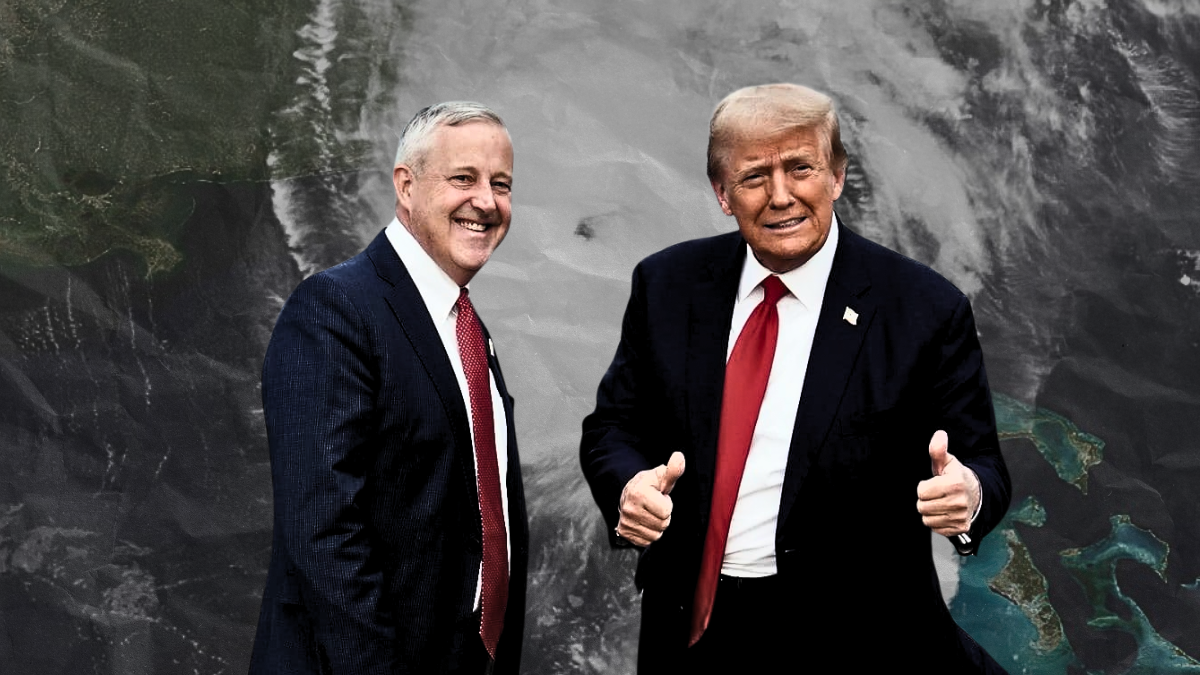
“Si Michael pierde, no lo voy a enviar”, dijo Trump al hablar sobre fondos adicionales de FEMA. Trump también dijo que ya se habían destinado más de $2 mil millones en fondos de FEMA para la recuperación de Carolina del Norte y que las comunidades estaban esperando recursos adicionales para continuar con las labores de recuperación.

Despite a history of racism accusations, including an audio recording, and ties to convicted sex offender Harvey West, the Republican candidate for NC Senate District 1 has been appointed to fill the seat until after the election.
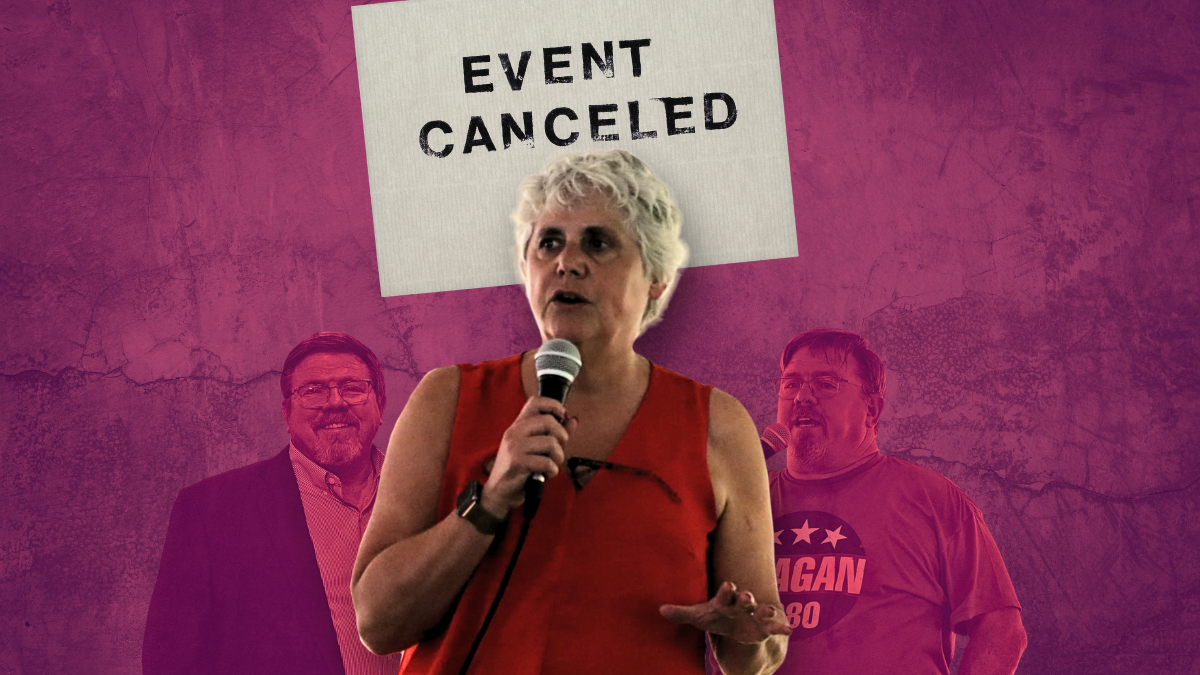
The “Cornhole Classic” was cancelled to avoid demonstrators calling for Stevens to return or donate the money she received for attending West’s fundraiser.