Source: Triangle Business Journal
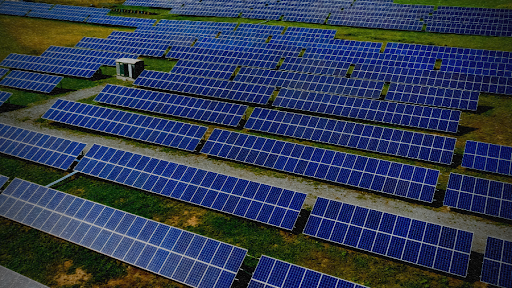
A new solar farm is being proposed for Pitt County, North Carolina that would cover nearly 1,000 acres. The project, being developed by Cypress Creek Renewables, would be one of the largest solar farms in the state.
The solar farm would be located south of Brown Hodges Road in the town of Grifton. It would have a capacity of 104 megawatts, enough to power about 20,000 homes. The project is expected to create hundreds of jobs and would provide a significant source of tax revenue for Pitt County.
Solar power is clean, renewable, and does not produce greenhouse gasses or other pollutants, which helps to reduce air and water pollution. Solar farms, like the proposed Pitt County project, can also help to improve energy security and reduce electricity costs. Because solar energy is a decentralized source of energy it is not dependent on a centralized power grid which makes it more resilient to outages and disruptions.
The proposed solar farm in Pitt County is a positive step towards a more sustainable future for North Carolina. It will provide clean, renewable energy to the community, create new green energy jobs, and help to reduce the state’s reliance on fossil fuels.