Source: New York Times
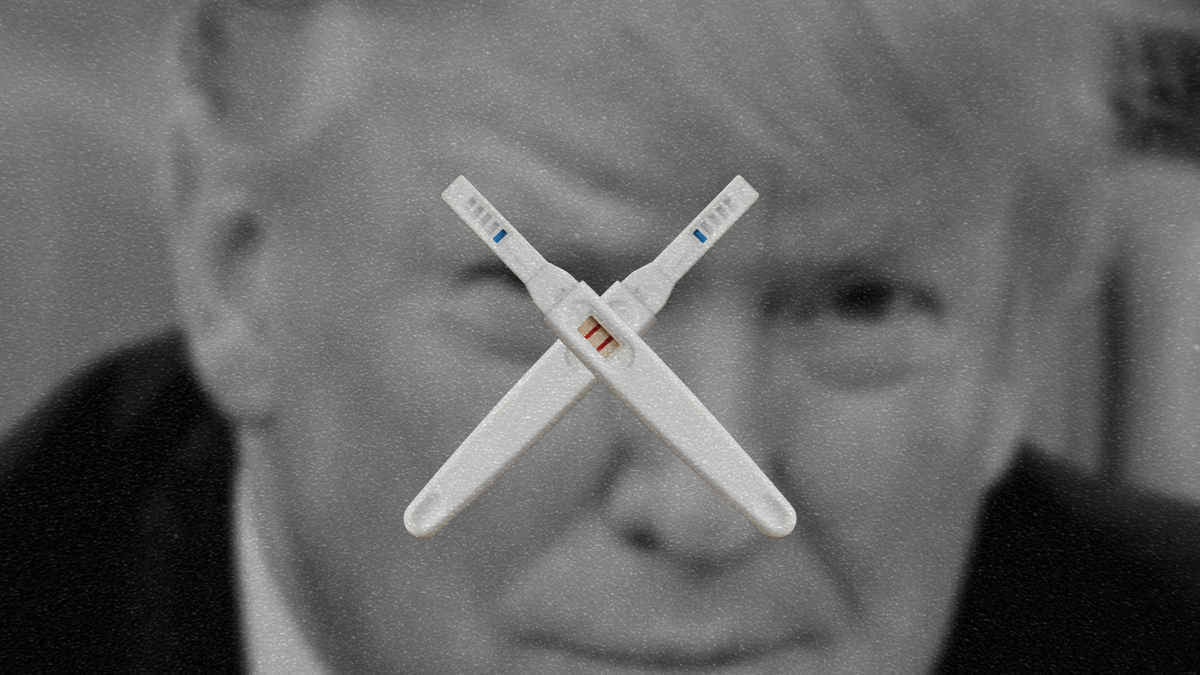
Former Trump administration officials and allies are planning new ways to restrict abortion rights if the former president returns to power, involving sweeping new restrictions and arcane legal theories.
“There’s a smorgasbord of options,” conservative lawyer Jonathan F. Mitchell said. Mitchell, the Texas lawyer who came up with the legal justification for Texas’ six-week abortion ban, specifically cited the Comstock Act as one of those options. The Comstock Act is a long-dormant law from 1873 that conservative activists argue can be used to criminalize the shipment of abortion pills, which account for the majority of abortions in America.
While Trump has vaguely floated abortion restrictions while campaigning, including a national 16-week ban, it is clear that the anti-abortion activists his administration would empower are working stealthily and sharply to attack abortion rights and abortion access from a variety of angles.
“I hope [Trump] doesn’t know about the existence of Comstock, because I just don’t want him to shoot off his mouth,” Mitchell said. “I think the pro-life groups should keep their mouths shut as much as possible until the election.”
Other policies the anti-abortion groups are considering include banning the use of fetal stem cells in medical research for diseases like cancer, rescinding approval of abortion pills at the FDA and stopping hundreds of millions in federal funding for Planned Parenthood, which would cripple the nation’s largest provider of women’s health care.
Abortion rights leaders are making it clear that a second Trump administration would pose a dire threat to abortion rights and access, either through a potential national ban and/or through a series of possible executive actions.
“He’s trying to masquerade in public as a moderate,” Mini Timmaraju, president of Reproductive Freedom for All, said of Trump. “It’s mind-blowing that anyone would imagine he wouldn’t do worse in a second term.”