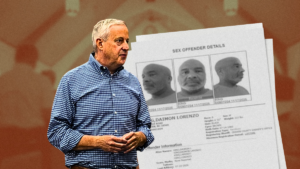

Source: CBS 17
Governor Roy Cooper has vowed to use his last year in office to continue making North Carolina a safer place to live.
Among his top priorities are reducing gun violence, increasing resources available to survivors of violent crime, and improving support for law enforcement to do their jobs effectively.
Governor Cooper has long been a champion for public safety. As Attorney General, Cooper fought to reduce drug trafficking, and as Governor, Cooper took aggressive steps to combat the opioid epidemic.
Cooper has also cracked down on child predators throughout his career, providing greater resources to law enforcement to protect children. During his time in office, Cooper has seen a 30% decrease in violent crime.
But there’s still more work to be done. “When you’ve got gun violence passing car accidents as the number one cause of injury deaths in children in this state and in this country, we know that we’ve got to do something,” Cooper told the Governor’s Crime Commission.
The Governor’s office says an average of five North Carolinians die per day from firearm injuries and rates of firearm violence are increasing both statewide and across the country.
Cooper also called on more support for law enforcement as agencies around the state are seeing employee shortages. Improving pay, benefits, training, and mental health resources are among the Governor’s priorities.
In addition to supporting law enforcement, Cooper argued that survivors of violent crime need additional resources as well, specifically survivors of sexual abuse and seniors.
Cooper will continue meeting with the Governor’s Crime Commission throughout the rest of the year. As his tenure as governor draws to a close, Cooper appears as committed as ever to leaving North Carolina a safer place than he found it.