Source: Carolina Public Press
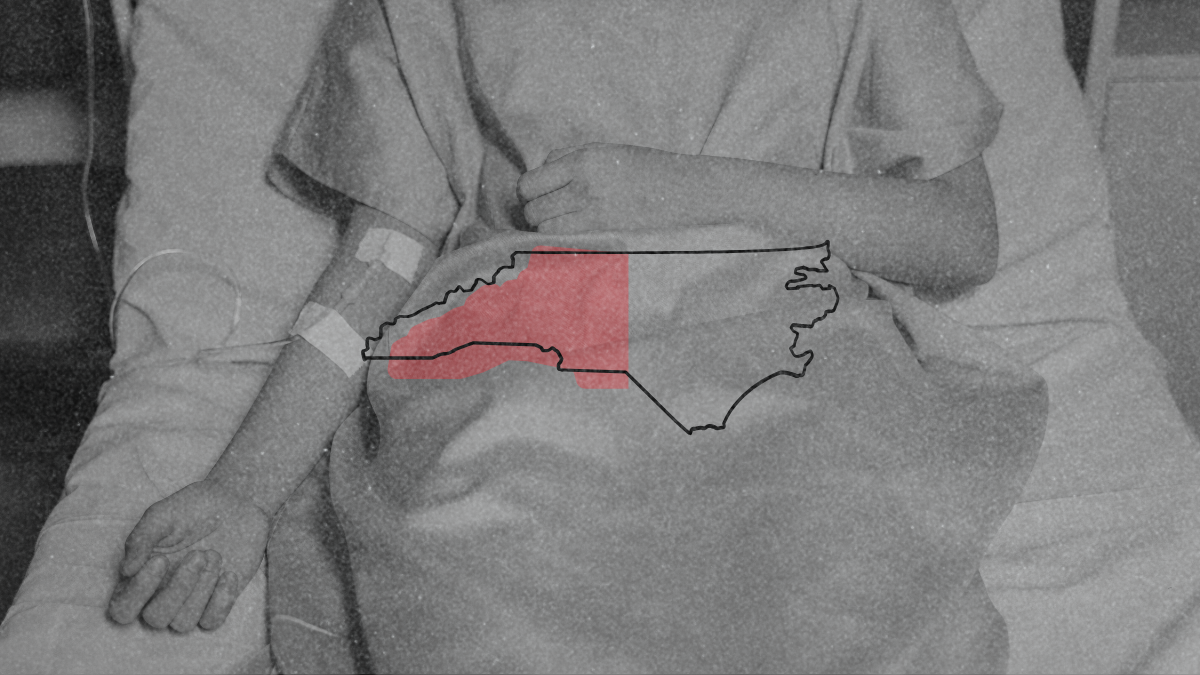
In its first wave of destruction, Tropical Storm Helene brought record flooding to western North Carolina. Now, as the mountain towns begin to rebuild, they are facing a second wave of adverse effects brought on by the storm – this time, public health-related.
Damaged municipal water systems, compromised septic systems, and contaminated drinking water caused by flooded private wells have public health officials concerned.
“We’re seeing unprecedented issues in terms of the very prolonged disruption to basic services like water and sewer,” said North Carolina state epidemiologist Zack Moore.
Asheville resident Sonya Lynn is one of thousands of western North Carolinians who have experienced these adverse effects. One week after the storm hit, she woke up with severe stomach cramps, followed by diarrhea and nausea. After going to urgent care, she was diagnosed with an E. coli infection.
In addition to gastrointestinal infections from contaminated food and water, there are also strong concerns about respiratory issues, both from flood mud that has turned into airborne dust and from flooded basements and homes that are rife with mold.
Moore recommends western North Carolinians wear an N-95 mask when doing any cleanup projects in the area, and make sure they are up-to-date on fall vaccinations as flu, COVID, and RSV seasons are upon us.
“Unfortunately, there are many still in shelters and campsites living in close quarters where they’re more likely to be exposed to respiratory viruses,” Moore said.
As local health departments face these challenges, they will have some help from the state legislature. As part of their Helene relief bill, the NC General Assembly allocated $12 million to local health departments to deal with these myriad issues, including helping residents with testing, decontaminating, and repairing their flooded wells.
AppHealthCare director Jen Greene said that thirty percent of water samples from wells in Ashe and Watauga counties have tested positive for dangerous bacteria.
She is urging residents to test, and if needed, treat their water.
“Even if your water smells fine and looks fine, it is very possible that it is not fine,” Greene said. “If you have any concerns that your well may have flooded, we encourage you to come in and get your water tested.”
County governments are providing tests and well-decontamination kits at no charge.
“Well decontamination is pretty quick and easy,” Polk County health director Joshua Kennedy said. “We have kits provided by the state, so after folks come pick those up, it generally doesn’t take much time before their well is back in order.”