Source: Editorial
By Jasmine Gailliard, Public Policy at UNC-Chapel Hill
The result of the 2024 election is a hard pill to swallow for many. While the overall results are unlikely to change, recounts in a few close races and ongoing ballot counts have kept tensions high.
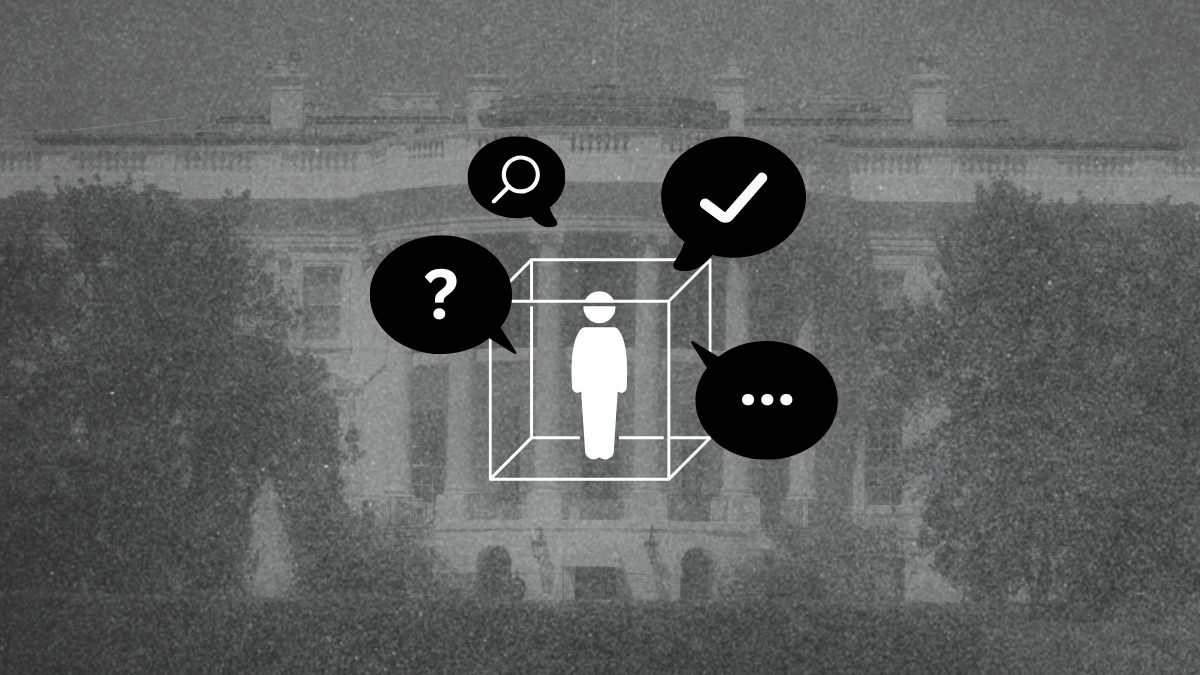
With news about the election dominating headlines and social media feeds, separating fact from fiction has become more crucial than ever. In this uncertain period, the flood of information online is overwhelming. Whether you’re keeping up with the latest recount updates or simply trying to make sense of the post-election landscape, media literacy is essential.
Media literacy is the ability to critically analyze and evaluate information from various media sources, a skill that’s now vital in today’s digital world. It’s more than just knowing what’s in your feed; it’s about understanding why certain information is shown to you, if it’s real, and how it influences your perspectives.
Our feeds are more connected (and curated) than we might realize. Nearly every social media user exists in an echo chamber, a virtual space where algorithms show us content that aligns with our current beliefs and interests. This means we’re constantly fed information that mirrors our views, reinforcing our perspectives while filtering out opposing ideas. On social media, an echo chamber might look like a timeline filled with politically skewed memes or influencers who share the same opinions. Both experiences create bubbles, limiting our understanding of the full story and affecting how we view the world.
However, echo chambers aren’t just limited to social media. Watching only one news channel, such as Fox News or MSNBC, has a similar effect by providing only one side of complex issues, reinforcing particular perspectives without balancing them. Seeing only one side of the political spectrum can be harmful. Imagine a judge making a decision after hearing just one side of a case. Without both perspectives, there’s no way to arrive at a fair or informed outcome. Similarly, when we consume information solely from one side, our understanding of complex political issues becomes incomplete, skewed, or even misinformed.
In a world where fake news and AI-generated content spread rapidly, it’s crucial to know how to identify and report false information. Learning to spot red flags in online media is essential. Be cautious of sensationalist headlines meant to provoke reactions rather than inform. Check URLs, as reliable news outlets have reputable web addresses, and always verify the author’s credibility. Many authors tied to credible organizations have a history of published, fact-checked diverse work.
One of the most effective ways to counter misinformation online is by promoting verified, fact-based reporting. Don’t be afraid to share insightful information with your friends, family, and social media mutuals. However, it’s equally important to recognize which platforms are equipped to help combat false information. Platforms like Facebook, Instagram, and TikTok offer tools for users to flag misinformation, helping limit its spread. On the other hand, platforms such as X under Elon Musk’s leadership, and Truth Social, founded by Donald Trump, do not provide reporting features specifically for false information. While users can report other issues like nudity or harassment, the lack of misinformation reporting tools on these platforms makes it harder to address the spread of false claims.
When you need to verify information or stay updated on the latest election results, turn to trusted, nonpartisan outlets like Reuters and the Associated Press, which prioritize fact-based journalism. For verifying questionable claims, websites like FactCheck.org, Snopes, and PolitiFact are invaluable resources. On social media, seek out accounts that vary on the political spectrum to widen your perspective.
The 2024 election results mark a pivotal moment in American politics, sparking a mix of emotions and discourse about the future. Navigating this post-election period requires more than just staying informed, it demands media literacy. Breaking out of echo chambers, diversifying our information sources, and questioning biases are all necessary steps toward understanding a full perspective. As we move forward, let’s commit to staying informed in a way that values accuracy over virality. The ability to distinguish fact from fiction not only empowers us but ensures we build a more informed and resilient society in the face of uncertainty.