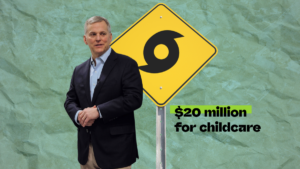
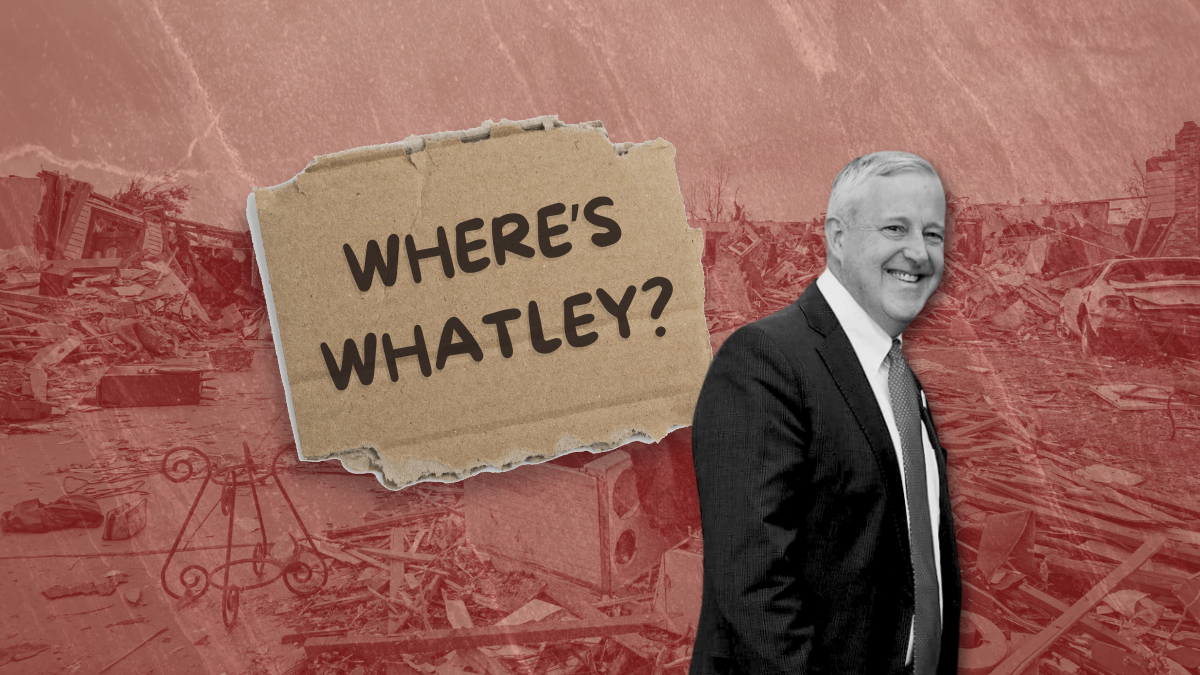
When Hurricane Helene tore through Western North Carolina in September 2024, it left behind catastrophic damage, including flooded mountain towns, displaced families, shuttered small businesses, and an estimated $60 billion price tag. Over a year later, many communities are still waiting for meaningful relief. At the center of that failure is Michael Whatley, a man who claimed influence, access, and authority but has delivered little and shown up even less.
President Donald Trump named Whatley Western North Carolina’s hurricane recovery czar at a January 2025 briefing, tasking him with making sure everything goes well. Whatley embraced the role, publicly declaring that his top priority was getting relief into counties. He boasted that he was “very close to the president” and could “pick up the phone and call any of our Cabinet Secretaries…to help North Carolina.”
Those assurances have not translated into results.
Despite the lofty promises, Whatley has been described by critics and local officials as “rarely, if ever” present in the disaster zone he was appointed to lead. Records show he has had only one conversation this year with Matt Calabria, the head of the state’s recovery office. Meanwhile, recovery efforts have stalled. Six months after the storm, only about 4 percent of the needed federal aid had reached affected communities. Near the one-year anniversary, the state reported roughly 9 percent. Today, that number has barely budged.
As state and local leaders sounded alarms about delays and what they described as a “tone-deaf” federal approach to aid, Whatley remained largely absent and utterly ineffective in using his role to push relief through a broken disaster recovery system. The gap between his rhetoric and reality became so glaring that Smoky Mountain News dubbed him the winner of the unofficial “Where’s Waldo” award, a nod to how difficult it has been to find the man supposedly in charge of recovery.
While Western North Carolina struggled, Whatley found time to champion Donald Trump’s economic agenda, including the Republicans’ controversial tariff policies. Whatley praised the tariffs and even claimed the economy was poised to “take off”. That rosy assessment clashes sharply with public sentiment and economic reality in North Carolina. Polling shows that 57 percent of North Carolinians disapprove of Republicans’ handling of the economy.
The consequences are tangible. Tariffs have been widely reported to drive up costs for consumers, and North Carolina businesses have warned of price spikes and supply disruptions. Farmers and food sellers have said tariffs made holiday meals more expensive, while families face higher energy bills, rising rents, and grocery prices that are more than 17 percent higher than they were in 2022. Yet Whatley continues to defend policies that leave working families paying more.
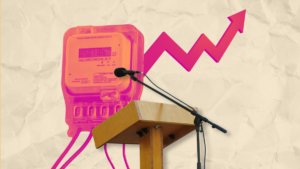
Taken together, Whatley’s record reflects a broader pattern that prioritizes political ambition and special interests over the people he claims to serve. A longtime Washington insider and former oil lobbyist, Whatley has repeatedly aligned himself with corporate interests. Financial disclosures show he owns up to $445,000 in Duke Energy stock, even as the utility has raised rates on customers and pursued additional hikes.
He has worked for fossil-fuel-backed groups that fought against clean air protections, representing oil and gas interests while North Carolinians pay more to heat their homes. He also quietly accepted maximum campaign donations from executives at a North Carolina company accused in multiple lawsuits of exploiting veterans; allegations that include falsifying claim information and violating federal regulations.
For Western North Carolina, the result has been devastating. Families are still displaced. Small businesses are still waiting. Communities are still rebuilding largely on their own. And the official tasked with ensuring recovery has become better known for his absence than his impact.
In the end, Michael Whatley’s tenure as hurricane recovery czar has earned him an unwanted distinction: harder to find than federal disaster aid itself.