Ahead of the 2026 primaries, North Carolina Republicans are running their usual playbook: disenfranchising and suppressing Black voters. However, this time around, are not only facing gerrymandered maps, but new changes involving voting sites and days.
Since Republicans took control of the state’s election administration in mid-2025, the board has taken several actions to change services, programs, and replace the election director, Karen Brinson Bell.
Despite protests, the conservative-leaning State Board of Elections has recently rejected several early voting sites and also voting on Sundays in several counties.
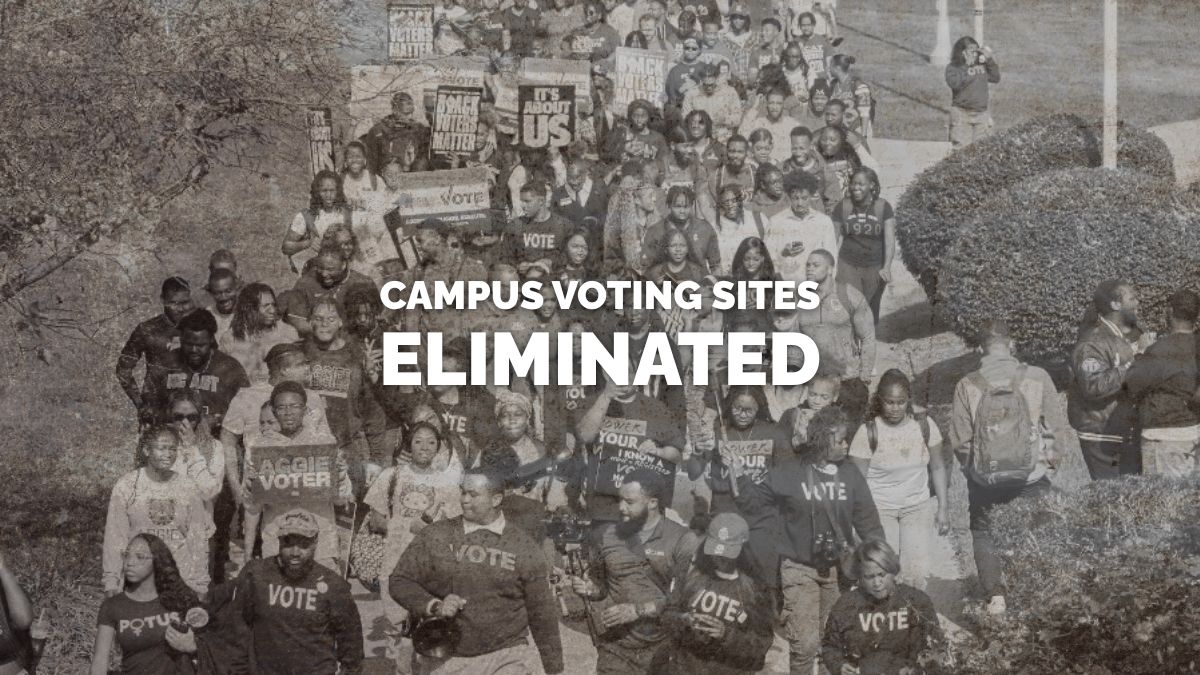
The counties affected include Cumberland, Wayne, and Harnett. The conservative-leaning board has also chosen to reject voting sites at NC A&T University and Western Carolina University. The consequences of being without a campus polling site mean that young people living in rural areas will face travel barriers as voting sites will be farther away. As a result, voter turnout and engagement may decrease.
“Sixty-four percent of students don’t have vehicles,” said Jackson County Board member Betsy Swift.
Sunday voting hours were also rejected in several counties. Many voting rights advocates have pointed to the direct tie of the removal to decreasing the impact of ‘Souls to the Polls’, a voter engagement initiative which has historically been used by Black churches to mobilize Black voters.
“The evidence clearly demonstrates that Sunday voting has been effective and necessary for Greene County voters, there is no valid justification for eliminating Sunday hours,” said Ben Lanier, a Democrat who serves on the local county board of elections.