North Carolina lawmakers were supposed to deliver a state budget on July 1st, 2025. Over 220 days later, North Carolinians are still waiting. We remain the only state in the nation without a budget, as Republican leaders in the General Assembly, Senate Leader Phil Berger and House Speaker Destin Hall, say not to expect that to change before April.
As the delay continues, schools are left deciding which services, programs, and staff members they can afford to keep. Across the state, teachers and other state employees are also dealing with rising bills and ever-increasing health insurance plans, with some seeing their monthly premiums nearly triple. With no budget to deliver much-needed raises, this amounts to a pay cut for many.
“These are educators who have committed years of their lives to serving students. Yet they are being asked to shoulder an unfair financial burden just to maintain essential healthcare,” said Mary Jane Bowman, the Person County Teacher of the Year 2025.
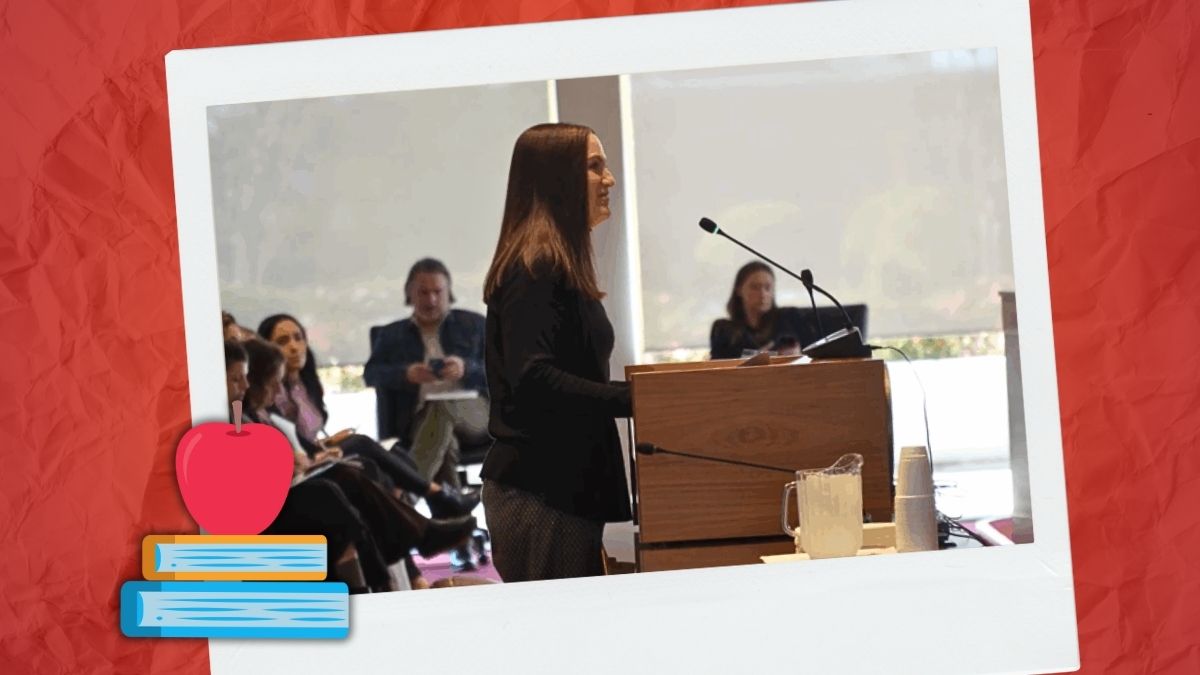
Bowman appeared before the General Assembly last November with other educators and community advocates, where they made it clear how the uncertainty around funding has negatively affected student development and the lives of teachers during a public hearing titled “The Real-World Impact of Failing to Pass a State Budget.”
Not only are teachers being harmed, but entire schools are, too. Bus drivers, instructional assistants, cafeteria workers, custodians, and office staff are also feeling the impact.
“For these employees, take-home pay has decreased anywhere from $120 to $312 a year. These are also individuals who did not receive a raise and already work for modest wages and losing this amount has an impact on their ability to meet basic needs,” Bowman explained.
Schools are struggling to recruit and retain qualified teachers in North Carolina because the legislature has sent a painful but clear message over the years– that public education is not something they see as a priority. On average, North Carolina teachers spend over $1,600 of their own money on classroom supplies each year. All of this ultimately hurts North Carolina’s children more than anyone.
“The high turnover rate and a lack of stability affect classrooms,” said Bowman. “It’s uncertainty for the students. It’s uncertainty about, ‘who am I going to see in my building?’ Consistency is required for building relationships with the children we serve.”
It didn’t have to be this way. For two years, the NC Supreme Court has delayed enforcement of the long-running Leandro case that requires state lawmakers to fully fund public schools.
Following the 2022 election, which flipped the state’s high court to Republican control, they made the unprecedented move to reopen the settled case even though no facts had changed.To read more on the harmful effects the delayed budget is having on education, check out this piece from the NC Justice Center.