As energy bills continue to climb across North Carolina, many families are being forced to make difficult choices just to keep the lights on. At the same time, Duke Energy is pushing for another round of rate hikes that could further increase costs for households already under pressure.
Recent reporting highlights the growing burden on working families. Across the state, some customers have seen sharp increases in their monthly bills, with higher winter usage and rising rates driving up costs for electricity.
Advocates say these rising costs are not just the result of market forces, but policy decisions that allow Duke Energy to pass expenses directly onto consumers. In North Carolina, recent legislation has allowed utilities to charge customers for power plants before they are even built, increasing long-term costs for ratepayers.
These concerns were front and center at a March 30 gathering in Raleigh, where community members, elected officials, and advocates spoke out against Duke Energy’s latest rate hike proposal. The event took place ahead of a series of public hearings where residents can testify about how higher energy costs are affecting their lives.
At the event, speakers pointed to policies that have benefited Duke Energy while increasing costs for families. Advocates highlighted how recent federal and state decisions have raised residential energy bills and allowed utilities to expand profits while households struggle to keep up.
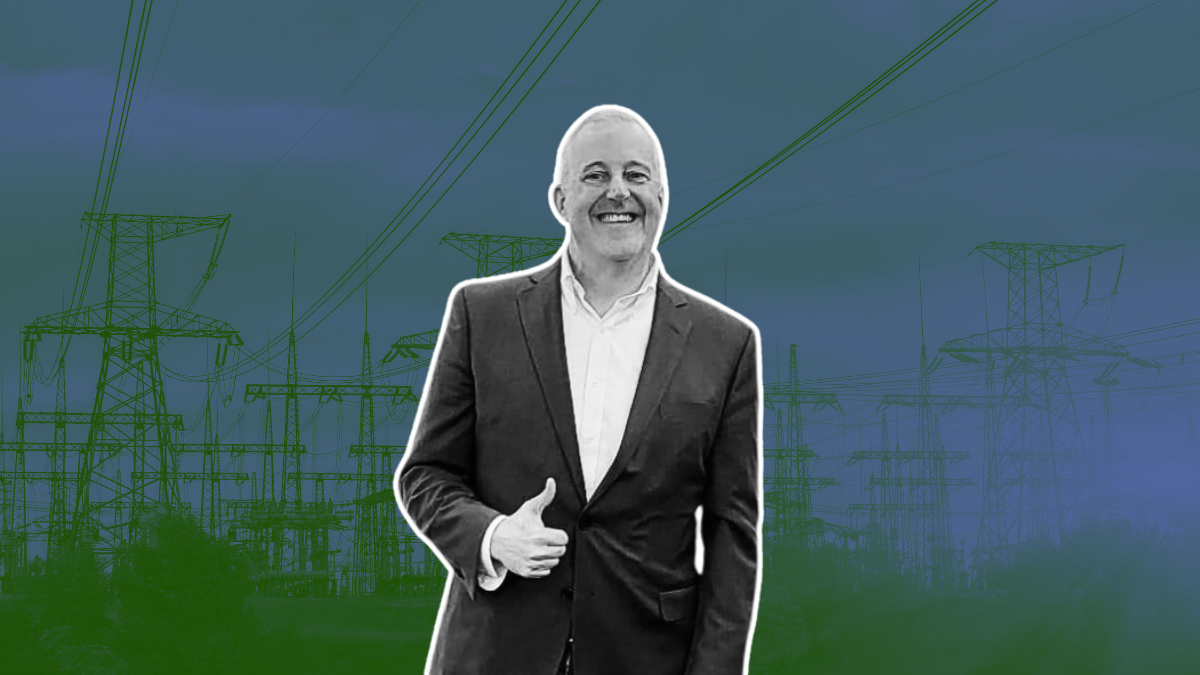
Meanwhile, U.S. Senate candidate Michael Whatley has spent much of his career working alongside the energy industry. Whatley previously worked as a lobbyist for oil and gas companies and has financial ties to major energy corporations, including Duke Energy.
That background is drawing increased scrutiny as energy costs rise across the state. Advocates argue that decisions made in Washington and in the state legislature have consistently favored corporate utilities over consumers, leaving North Carolinians to shoulder the burden.
Reporting from NC Newsline highlights how rising utility costs are affecting families statewide, particularly those already struggling with the cost of housing, health care, and groceries. For many households, higher energy bills mean cutting back on essentials or falling behind on payments.
As the Utilities Commission hearings continue, North Carolinians are speaking out about the impact of rising costs and calling for greater accountability from Duke Energy and elected leaders.
With energy affordability becoming a central issue, Whatley’s record and ties to the energy industry are likely to remain part of the conversation as voters weigh who will prioritize lowering costs for working families.