For 25 years, I have been a teacher. It’s the only career I’ve ever had—and the only one I’ve ever wanted.
When I entered the profession in the late 1990s, I knew I wouldn’t be wealthy. I wasn’t expecting luxury vacations or a high-end lifestyle. But I believed I could live a stable, comfortable life.
Early in my career, I made it work. I waited tables, coached sports, and picked up extra income where I could. I had advantages—no student loans and a master’s degree that increased my pay. Within a few years of teaching in rural Tennessee, I was able—with help from my parents—to buy a condo, take a meaningful trip, and pay off a car. I was single and financially stable.
After five years, I moved to Wilmington, North Carolina, for new opportunities. At the time, the state felt like it valued education. Schools were well-resourced, teachers were highly qualified, and salaries were improving. By 2006, North Carolina was on track to reach the national average in teacher pay. I had earned lifetime health insurance benefits, and the cost of living was manageable.
Then came the 2008 recession—and everything changed.
From 2009 to 2014, salaries were frozen. Step increases disappeared. In 2013, master’s pay was eliminated for new teachers. Soon after, longevity pay was cut. North Carolina’s teacher pay ranking dropped to 47th in the nation.
While raises eventually returned, they were small and largely focused on beginning teachers. Incentives for experienced educators disappeared, and pay flattened right where many of us are—mid-to-late career. Worse, raises failed to keep up with inflation, wiping out any real gains.
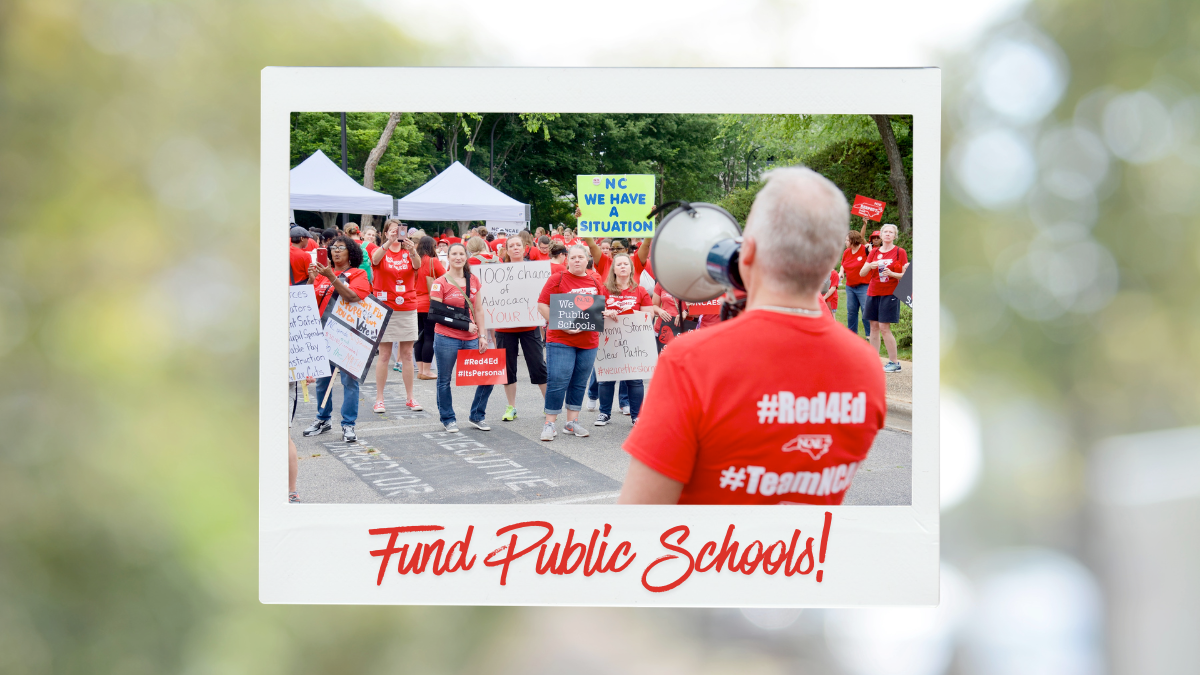
In 2018, I joined 20,000 educators in Raleigh for the Red for Ed rally. We weren’t asking for luxury—we were asking for livable wages and sustainable working conditions.
By then, I was raising a young child in a household with two teachers. It wasn’t easy, but we made it work—helped by buying a home during the recession when prices were low.
Then came the pandemic.
Between 2020 and 2022, North Carolina teachers experienced the largest inflation-adjusted pay decrease in the country. Just three years ago, the state ranked 43rd in the nation for teacher pay. Now it’s ranked 46th in the nation. In real terms, my salary has declined by more than 20% over the past 20 years.
And this drastic decline is impacting teachers across the state. According to the latest report from the National Education Association, North Carolina is the only state where teacher pay is expected to drop.
At the same time, costs have risen sharply. I now pay $215 a month for family health insurance—something that used to cost nothing. Copays have increased, forcing me to limit specialist visits. Groceries, gas, and utilities have all surged.
I am now the sole provider for my household.
Despite 25 years of experience and a master’s degree, I live on a tight budget and contribute nothing to savings. Without summer work, I would have to dip into my emergency fund—again. And I am considered one of the “lucky” ones.
Many of my colleagues work second or third jobs. Others commute long distances because they can no longer afford to live in the communities they serve.
Meanwhile, there has been no pay increase since 2023 because the state has yet to pass a budget.
The nearly three years of inaction on the state budget have left over 1,700 teachers in New Hanover without an adequate pay raise.
And now, lawmakers, including Michael Lee, who chairs the Senate Appropriations Committee on Base Budget, and his fellow Republican senators, are backing a proposal that continues this pattern.
Under the Senate plan, a veteran teacher with 25 years of experience would see roughly a 2–3% raise—about $70 more per month before taxes. That increase does not keep up with inflation and does little to change the reality in which many of us are living.
The structure of the plan matters just as much as the size of the raise. It continues a system in which pay plateaus after about 15–25 years, offering little incentive to stay in the profession long-term. While newer teachers receive larger percentage increases—a strategy aimed at recruitment—those of us who have devoted years are left falling further behind.
At the same time, the Senate budget prioritizes other spending choices.
Funding for private school vouchers has increased dramatically, with hundreds of millions of dollars going toward expanding access—even for higher-income families. Meanwhile, veteran public school teachers are being told that minimal raises should be enough.
This is not just about numbers on a paycheck. It is about priorities.
North Carolina has the resources. The state is projecting a significant surplus. The question is not whether we can afford to invest in experienced teachers—it is whether our leaders choose to.
After 25 years in the classroom, I am not asking for more than I deserve.
I am asking for what was once promised: a stable, sustainable career that allows educators to live with dignity.
Right now, that promise is slipping away.
Lindsay Noble is a Civics & Economics Teacher in New Hanover