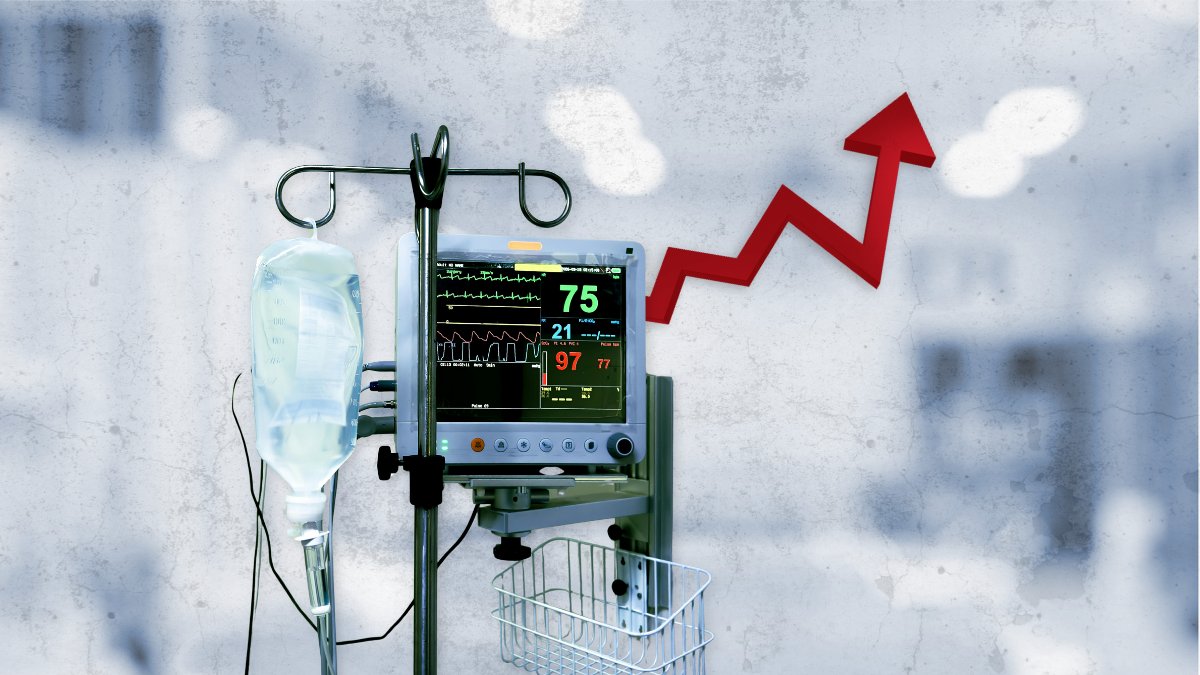
In late August, Defend America Action released a report detailing the rise of health care costs in North Carolina. Soaring healthcare costs came following the passage of Trump’s One Big Beautiful Bill last summer, which cuts over $1 trillion from Medicaid over the next ten years and is estimated to cost North Carolina $50 billion.
Medicaid covers 1 in 4 North Carolinians, and over 1 million children rely on the coverage.
“Nearly 165,000 North Carolinians have lost their Affordable Care Act coverage after premiums spiked by more than 150% a year, and 100,000-plus North Carolinians have lost Medicaid as part of the roughly $1 trillion in Republican cuts to the program,” stated North Carolina’s state Senator Jay Chaudhuri (D-Wake) during a press call hosted by Defend America Action.
In addition to Medicaid cuts, there has been a major drop in Affordable Care Act (ACA) enrollment. After the federal tax credits for the ACA expired at the beginning of the year, North Carolina saw a 21% drop in enrollment, coming out to an estimated 165,000 residents – the largest drop in the country. Last year,, the Center for American Progress warned that ACA premiums would double for millions of Americans if the critical tax credits were to expire.
Earlier this year, Consumer Affairs listed North Carolina as the sixth most expensive state in the US for healthcare. With rising healthcare costs, a drop in ACA enrollment, and a loss of benefits for so many residents, U.S. Rep. Deborah Ross (D-NC) worries about rising medical debt for the people of North Carolina.
“Medical debt is the largest debt that people have in this country. It knows no political party, and it knows no geographic limitation,” Ross said.
Indeed, across the political spectrum, affordability is a top subject this election season as many North Carolina families are squeezed financially from the grocery store to the doctors and the gas pump.
A KFF poll released in April shows the cost of health care remains at the top of Americans’ list of economic concerns despite the rise of prices in other sectors. A majority of respondents said that the cost of healthcare will influence their decision to vote (55%) and who they vote for (61%) in the upcoming election.