
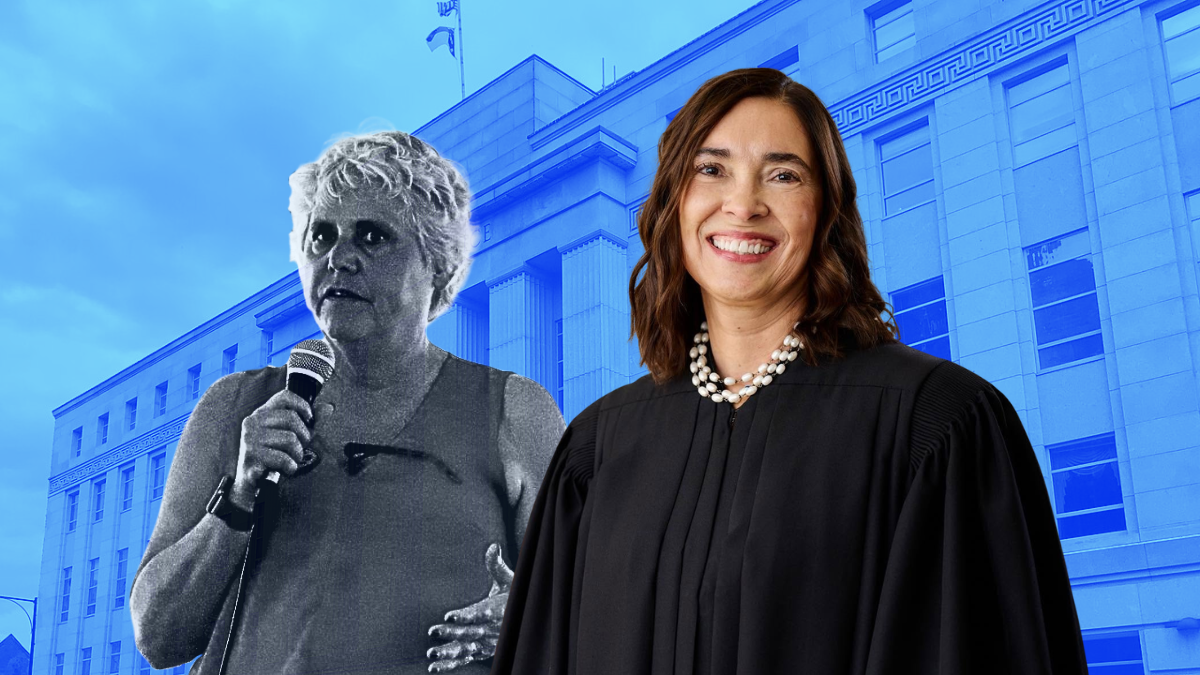
Justice Anita Earls defeated former Rep. Sarah Stevens 59 percent to 41 percent in the race for NC Supreme Court Associate Justice last Tuesday.
Earls’ resounding win is particularly impressive given the normally razor-thin margins for statewide judicial races in North Carolina – Justice Allison Riggs won by just 734 votes in 2024, and Chief Justice Paul Newby won by just 401 votes in 2020.
The impressive margin of victory is a testament to the wide gap in experience, demeanor, and judicial philosophy between the two candidates.
Justice Earls, a former civil rights attorney, has spent her career fighting for people whose right to vote was denied, who were mistreated at work, who were being denied equal educational opportunities – anyone seeking equal justice under the law in state and federal courtrooms.
“I am not beholden to any particular political ideology. My goal has always been to make sure that we protect everyone’s rights under the state and federal constitutions and that we guarantee equal justice under the law for all the citizens of North Carolina,” Justice Earls told PBS North Carolina in September.
Meanwhile, former Rep. Sarah Stevens’ career has been marked by a thorough disregard for vulnerable children. Throughout her career as a private attorney and a legislator, Stevens chose to defend the interests of predators and powerful institutions, from making it harder for survivors of childhood sexual abuse to hold their abusers accountable to standing in the way of overdue foster care reforms to accepting money from a fundraiser at the home of a convicted child sex offender.
Stevens was largely absent from the campaign trail, and when WSOC-TV asked why she was running for the seat, she stated plainly that she wanted “to ensure the court stays conservative.”
Justice Earls’ victory means the state Supreme Court’s composition will remain five Republicans and two Democrats, with three seats – and thus control of the majority – up for grabs in 2028.