The latest changes to the U.S. Census by the Trump administration could influence North Carolina politics in a major way.
The United States Census, required by the Constitution to be conducted every ten years to apportion seats in Congress, uses population data to determine the drawing of congressional maps, crucial federal funding for public services, and more.
The Trump administration has proposed to stop collecting data on race, sexual orientation, and ethnicity on the 2030 Census. This change could cause millions of people to be left out of the count, and as a result, the allocation of congressional seats and billions in federal funding could be in peril.
The proposed rules would change how residence is determined and would only count U.S. citizens and legalized North Carolina residents towards each state’s share of congressional seats.
According to the NC OSBM, our state could gain a 15th seat in Congress depending on the population growth over the next five years and the completeness of the 2030 census. It is also important to note that North Carolina has grown by nearly one million people in the last five years.
As a result, population growth has increased the size of our state’s congressional delegation from 11 members after the 1980 census to 14 members after the 2020 census, when we were one of the six states in the country to gain a congressional seat.
Erica Bernal-Martinez, CEO of the National Association of Latino Elected and Appointed Officials Educational Fund, has said that the proposal is “an attempt to make Latinos and other communities disappear in the 2030 Census” and that “eliminating it would weaken the data used in public policymaking and render Latinos and other communities invisible while stripping away the opportunities and protections that require an accurate count.”
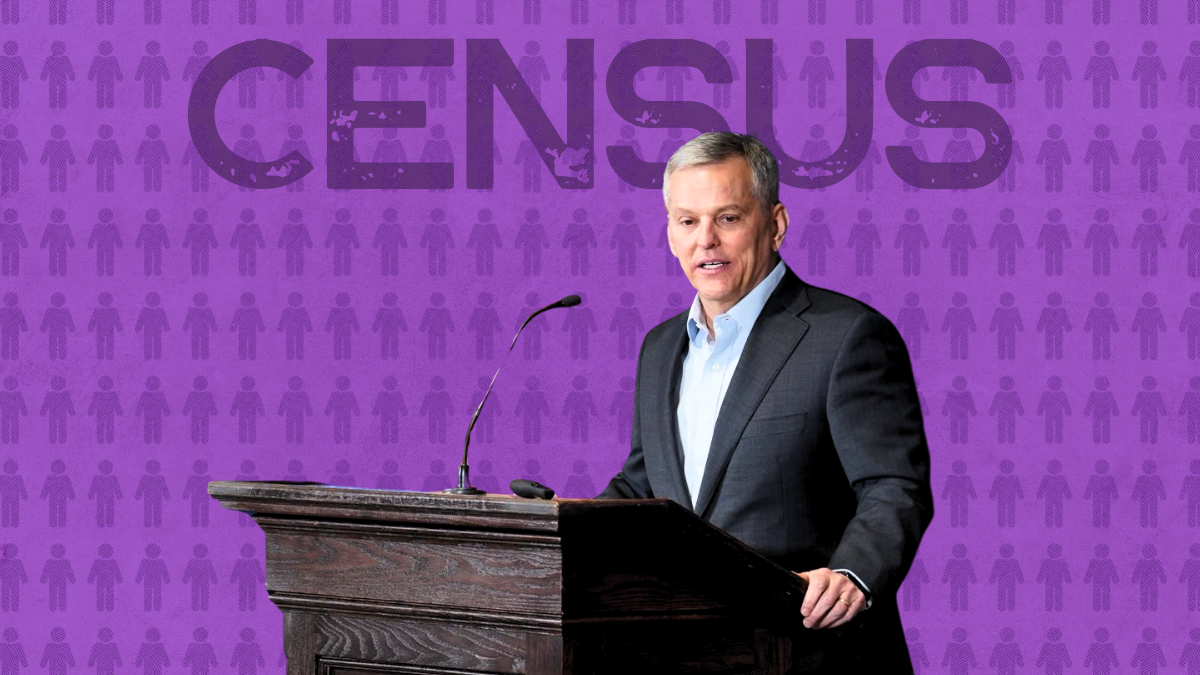
Governor Josh Stein objects to Trump’s harmful proposal to change the 2030 census because the changes undercount many North Carolinians, including undercounting military families, immigrant households, disaster survivors, and Indigenous communities.
Additionally, it could cost North Carolina federal funding and jeopardize a congressional seat that we could gain.
“North Carolina’s service members and their families, disaster survivors, immigrant communities, and tribal communities deserve a census that counts every person where they actually live. Accurate census data is the foundation of fair representation and of the responsible use of taxpayer dollars, and the proposed changes would move the 2030 Census away from both,” wrote Governor Josh Stein in a letter to the U.S. Census Bureau, urging them to withdraw the proposal.
Lastly, the elimination of race and ethnicity questions can impede the determination of resources for marginalized communities by making data colorblind.
“Government cannot fix what it cannot see,” Governor Josh Stein wrote.