Source: Coastal Review
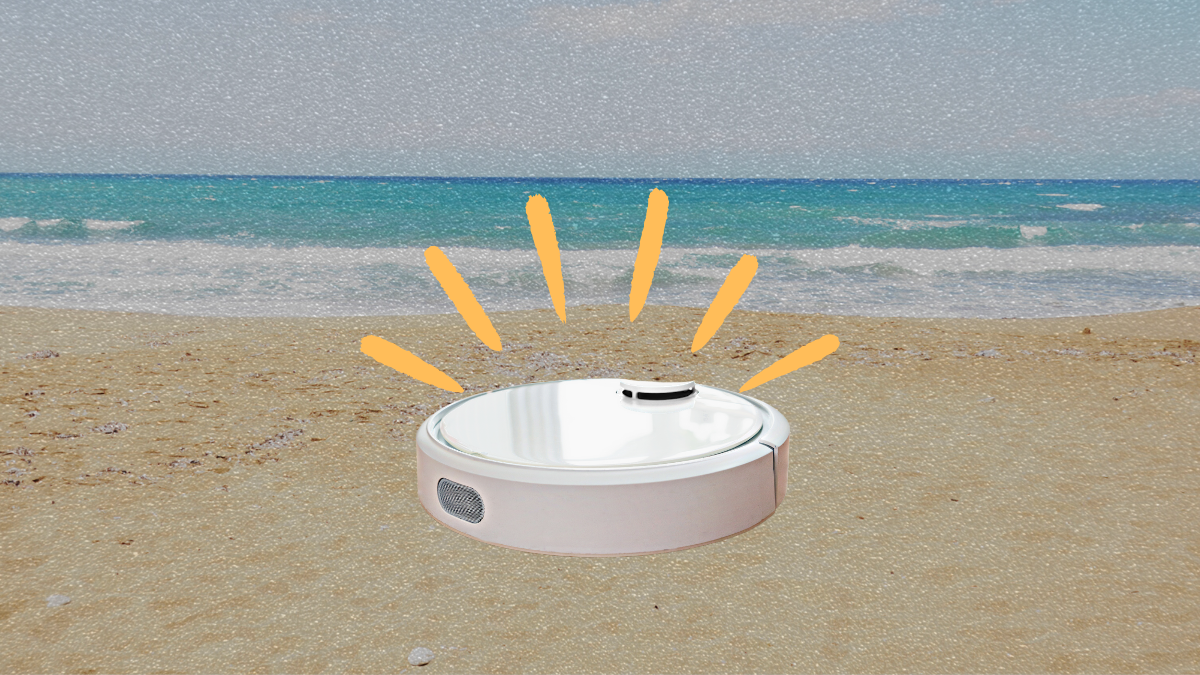
It’s the Roomba of the Beach! Except it’s the size of a lawnmower, carefully remote controlled, and on a strict diet of cigarette butts, microplastics, and other seaside pollutants.
New Hanover County recently debuted BeBot, a specialized beach cleaning robot that can clean 5,000 square feet of beachfront in less than 25 minutes. Bebot uses a mechanized sifter to hunt for small debris as it’s remotely piloted across beaches, which can reduce the human impact of beach restoration.
“We can maneuver it around any areas we don’t want it to be, vis-à-vis turtle nesting areas,” said Keep New Hanover Beautiful Executive Director Dick Brightman, speaking to coastalreview.org. “It’s very, very maneuverable,” he continued. “It’ll turn 360 degrees standing still. I was amazed at how easily it can be maneuvered.”
Did we mention BeBot is Italian? Or at least manufactured by NITEKO, an Italian robotics company. According to coastalreview.org the New Hanover BeBot is one of several BeBots donated by a group of nonprofits to waterfront communities across the US, including Florida, Ohio, and Lake Tahoe. Including the remote system, trailer, and solar panels, the BeBot costs $80,000.
What does that money buy? More than a 1,350 pound Roomba. In addition to being low impact and solar powered, the BeBot helps target the most persistent waste along North Carolina’s 325 mile shoreline. In a 30 year “Marine Debris Assessment,” researchers collected 12 million pounds of trash, which included 1.6 million cigarette butts and 1.5 million bottles or cans. The same study identified 72% of beach debris as plastic, contributing to the scourge of microplastics.
Perhaps most importantly, BeBot raises awareness and reminds North Carolinians to manage their trash before the coast becomes a Terminator-esque invasion of automated trash pickers.