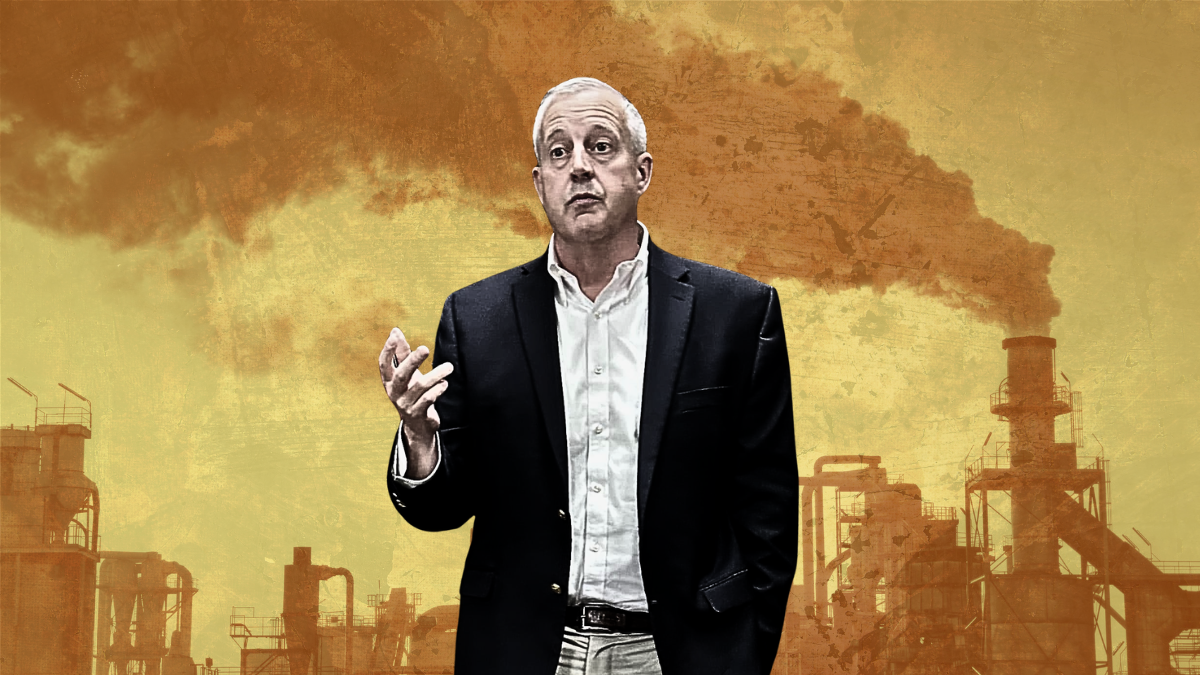
The League of Conservation Voters Victory Fund (LCVVF) released its yearly “Dirty Dozen,” a list highlighting 12 congressional candidates accused of cozying up to big corporate polluters.
For nearly 30 years, the LCV Victory Fund has named 12 federal candidates who have consistently voted and/or lobbied against our environment. This year, the list carries a theme around “unaffordable, dirty energy.”
According to LCVVF’s press release, “Every candidate on this year’s Dirty Dozen has a record, a vote, a lobbying history, or a policy position that is helping drive up the electricity and heating bills their own constituents pay, whether through blocking or repealing clean energy projects, providing handouts to dirtier and more expensive fuels like oil, coal and gas, or embracing costly data center buildouts without protecting ratepayers from the bill or the pollution.”
Making the list is North Carolina Republican Senate nominee Michael Whatley, who has been tied to Duke Energy and Chemours.
“Before chairing the Republican National Committee, Michael Whatley spent nearly two decades as a paid energy lobbyist,” stated LCV Victory Fund about Whatley.
Prior to becoming chair of the North Carolina Republican Party, Whatley served as executive vice president of Consumer Energy Alliance, an oil-and-gas-industry group backed by BP, Chevron, ExxonMobil and Shell. According to Mother Jones, the group claimed to advocate for “affordable, reliable, and cleaner energy solutions”; however, much of its work focused on opposing climate regulations and expanding access to fossil fuels.
“Whatley and colleagues reported $3.5 million in lobbying income over 12 years, roughly $1.2 million of it tied to energy clients including Duke Energy, and his family still holds stock in Duke Energy and ExxonMobil — companies he lobbied for.”
Currently, Duke is pushing for rate increases in North Carolina, which is something his opponent, former North Carolina Governor Roy Cooper, has spoken out against.
Whatley has also accepted thousands of dollars from the Chemours Company PAC, despite the company’s history of pollution in eastern North Carolina, which has impacted an estimated 500,000 North Carolinians.
While on the campaign trail, Whatley’s campaign has not publicly stated whether he supports the proposed rate hike or the Chemours case. Recently, Whatley called the public’s growing opposition to data centers “not organic” and said that “This is being ginned up”.
Whatley’s opponent in the Senate race, former governor Roy Cooper, received the League of Conservation Voters Action Fund (LCVAF) endorsement for Senate back in 2025.
North Carolina LCV’s Executive Director Carrie Clark highlighted Cooper’s leadership, stating, “We need someone in Washington who understands the increasing threat extreme weather poses to lives and livelihoods across our state. At the same time, [Cooper] led the creation of North Carolina’s thriving clean energy economy and made us the top state in the country in rural clean energy jobs.”
The rest of the “Dirty Dozen” list includes:
- Derrick Van Orden — U.S. House, WI
- Scott Perry — U.S. House, PA
- Gabe Evans — U.S. House, CO
- Bill Huizenga — U.S. House, MI
- David Valadao — U.S. House, CA
- Juan Ciscomani — U.S. House, AZ
- Mike Collins — Senate, Georgia
- Susan Collins — Senate, Maine
- Mike Rogers — Senate, Michigan
- Jon Husted — Senate, Ohio
- Mike Lawler — U.S. House, NY
To read more about the list, go to 2026 Dirty Dozen