Source: The News & Observer
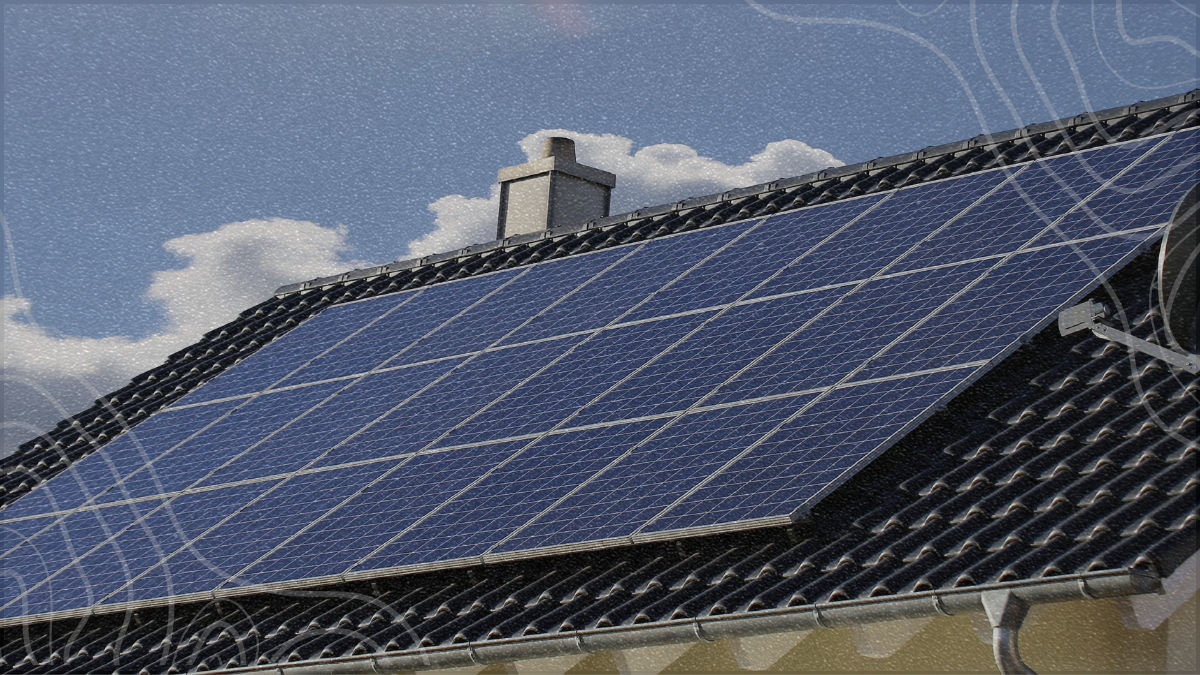
A bill currently in the North Carolina General Assembly would increase the state’s cap on leases for rooftop solar panels, a move that could help more people and businesses take advantage of the lower cost of electricity without paying full price for the panels and installation, The News & Observer reported.
Senate Bill 678 would raise the cap on rooftop solar leasing from 1% of the average amount of solar installations over the last five years to 10%.
In places like California, rooftop solar leasing has become a popular choice for those who want to take advantage of the lower energy costs provided by solar but can’t afford to pay for a full system installation themselves. Instead, the people or business pays a monthly fee to the provider to use the system.
North Carolina’s solar leasing program was introduced in 2017 as part of House Bill 589, but it’s very limited. According to The News & Observer, industry officials said that’s in part because the cap has prevented many installers from setting up leasing programs in the state.
Energy advocates believe that putting the cap at 10% could be enough to bring installers who offer residential leasing programs to the state or see existing installers begin to offer leasing programs, they told The News & Observer.
“That changes the game. It really does create an opening for installers across the state to make the case to invest more in this space as an option for customers because it is something they can scale upon,” Matt Abele, the interim executive director of the N.C. Sustainable Energy Association, told The News & Observer.
The bill passed through House committees without issue, but it’s going to face a roadblock in the state Senate.
Unfortunately, this is North Carolina and Republicans run the legislature here, so there is going to be at least one Republican politician who decides it’s actually socialism to let people use renewable energy.
That Republican is none other than Cabarrus County’s Sen. Paul Newton. Newton is no stranger to saying dumb things – such as when he called slavery and abortion “cultural issue[s]” and compared the end of slavery to the GOP’s efforts to ban abortion. He is also a former Duke Energy state president.
Newton, who introduced the original legislation, told The News & Observer that he would oppose lifting the solar lease cap. His legislation also includes a provision that would change the state’s renewable energy portfolio standard into a “clean energy portfolio standard” and would add nuclear energy into the energy production sources that can be used to meet those standards – a move that would directly benefit Duke Energy, his former employer.
Newton said he doesn’t believe the cap on rooftop solar leases should be lifted because there’s room under the existing limit and that he’s “philosophically opposed to a program he called ‘a socialization of costs,'” according to The News & Observer.
“They’re not even close to filling the 1% that’s in the program today so they should at least park this until the 1% has been exceeded or is filled and then maybe we have a conversation,” Newton said. “But I don’t like the predicate, which is socializing the cost against other customers.
Aside from solar leasing programs not being any form of socialism or “socialization of costs,” Newton also ignores the fact that the 1% cap is precisely why solar companies aren’t offering these programs. The current cap has resulted in a cycle of under-utilization – and perhaps that’s the point.