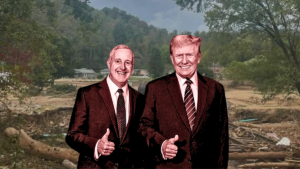
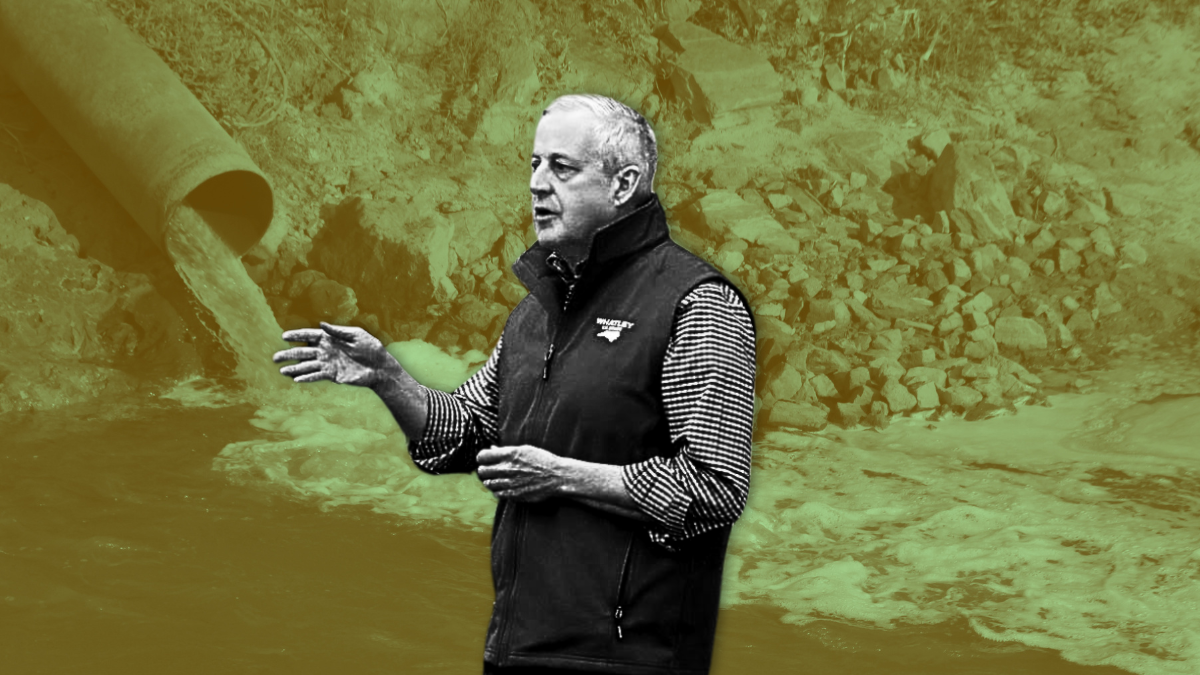
For decades, communities along the Cape Fear River have dealt with the consequences of PFAS contamination linked to Chemours. Now, the company at the center of that pollution is also helping fund Republican U.S. Senate candidate Michael Whatley’s campaign.
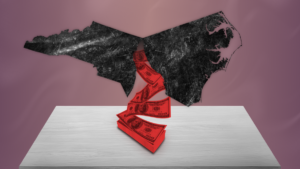
Whatley has accepted thousands of dollars from the Chemours Company PAC, despite the company’s long history of pollution in eastern North Carolina. More than 2,600 plaintiffs have sued Chemours over contamination of drinking water wells, air, soil and groundwater, with PFAS pollution affecting an estimated 500,000 North Carolinians and roughly 10,000 private drinking wells.
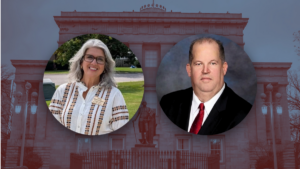
The donations are drawing renewed attention as North Carolina leaders fight a proposed $450 million settlement between the federal government and Chemours. Gov. Josh Stein, Attorney General Jeff Jackson and DEQ Secretary Reid Wilson submitted formal comments opposing the agreement and arguing that North Carolina was excluded from negotiations.
Under the proposed agreement, Chemours would spend $90 million over 15 years on water cleanup and clean drinking water projects, but none of that money is specifically earmarked for North Carolina. Environmental groups have also urged the court to reject the agreement, arguing it fails to adequately hold Chemours responsible for the damage caused by PFAS contamination.
Whatley, meanwhile, has not publicly challenged the federal government’s handling of Chemours or called for stronger accountability from the company. In a recent Fayetteville Observer editorial, Clean Cape Fear co-founders Emily Donovan and Jessica Cannon also pointed to Whatley’s support for federal budget cuts that delayed PFAS cleanup at Seymour Johnson Air Force Base by five years.
The contrast is especially notable given Whatley’s campaign contributions from Chemours. Roy Cooper has not accepted money from the company’s PAC and, as governor, pushed to hold Chemours and other polluters accountable.