
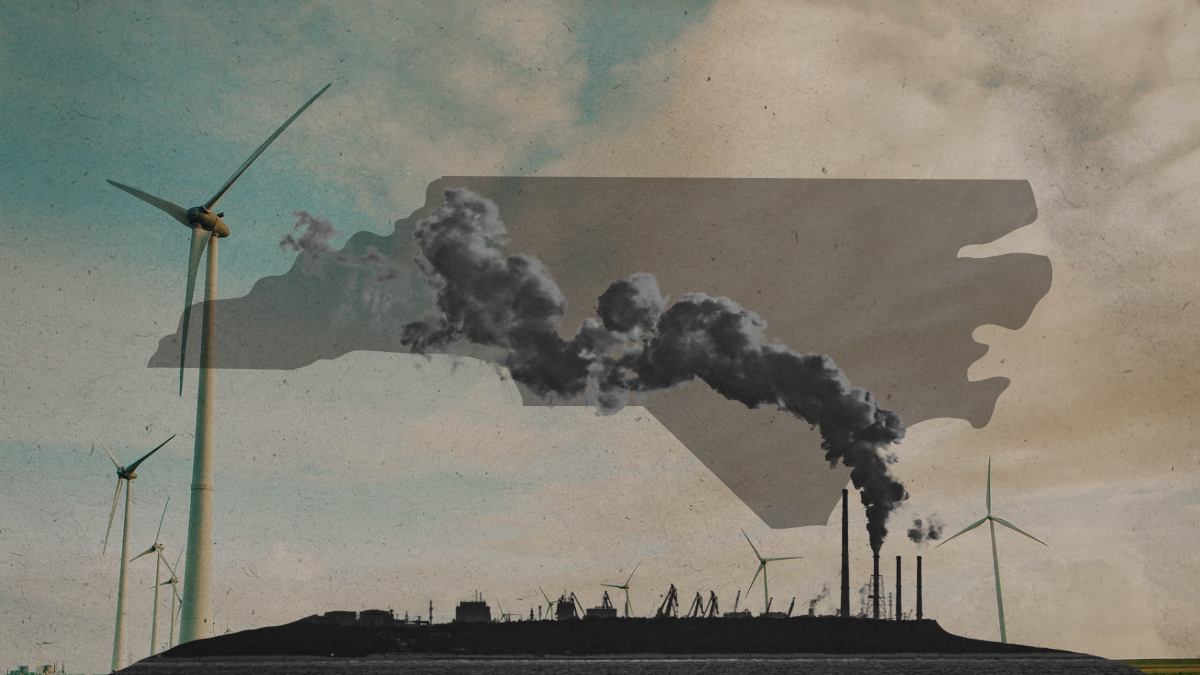
Climate advocates are speaking out against Duke Energy’s proposed Carbon Plan, an updated plan to reach carbon neutrality submitted to the North Carolina Utilities Committee.
The plan was submitted after the state legislature enacted a new law eliminating the interim carbon pollution reduction requirement and eliminating the 2030 carbon reduction goal for our state.
North Carolina Democratic Governor Josh Stein has spoken out against Duke Energy’s plan, stating, “Duke has eliminated wind, reduced solar, and delayed nuclear while increasing our dependence on price-volatile natural gas and coal. Duke Energy is retreating from the state’s clean energy future that can continue to bring good jobs and lower costs to North Carolina.”
Clean energy advocates from several environmental organizations have also spoken out.
David Neal, a senior attorney with the Southern Environmental Law Center, said, “We’re concerned that regulated monopoly Duke Energy is continuing to rely on expensive new gas power plants, leaving North Carolina families on the hook for escalating fuel costs and making it harder to reach the 2050 carbon neutrality requirement. Duke yet again appears to have fallen short of taking full advantage of energy efficiency, load flexibility, renewables, and storage, which remain the cheapest and fastest suite of options for meeting rising demand.”
“As always, we will scrutinize Duke’s filing and explore better options for North Carolinians that reduce carbon pollution as quickly and affordably as possible,” Neal added.
Michelle “Meech” Carter, Clean Energy Campaigns Director from NC League of Conservation Voters (NCLCV) stated, “Building gas power plants and pipelines to the scale Duke Energy is proposing will leave ratepayers holding the bag – and the bill. Gas plants built now will likely not be used their whole lifespan, leading to stranded costs for ratepayers.”
Carter continued, “More importantly, the expansion of methane gas infrastructure is driven by the expansion of data centers and artificial intelligence, allowing big technology companies and Duke Energy to profit at ratepayers’ expense.”
Duke Energy’s new Carbon Plan undermines the importance of utilizing energy efficiency, load flexibility, renewables, and storage to reduce carbon pollution and costs.
The plan also relies on massive new methane gas plants and delaying coal retirements, which are costly to North Carolinians and damaging to the environment.