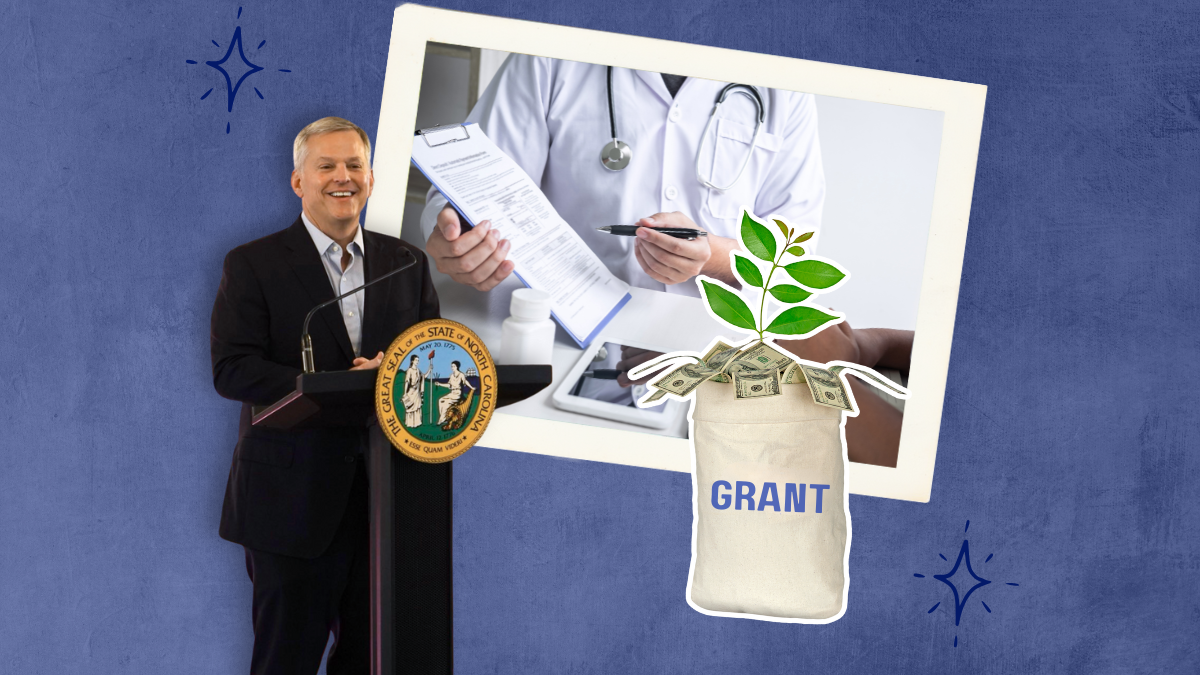
North Carolina has received $213 million from the Centers for Medicare and Medicaid Services (CMS) through the Rural Health Transformation Program (RHTP) to improve health care access for rural North Carolinians, Governor Josh Stein announced in late December.
“North Carolina has long been a leader in advancing rural health care solutions, and we are excited about how this new program can support innovations to help make rural communities healthier,” Gov. Stein said in a press release. “Our state’s rural communities are wonderful places to live and raise a family, but face unique health care challenges. This grant will connect more people to more high-quality health care.”
The North Carolina Department of Health and Human Services (NCDHHS) developed a plan for the funds in coordination with more than 420 stakeholders, including rural hospitals, community health centers, local health departments, Tribal communities, community-based organizations, and faith-based organizations.
The plan outlines six key initiatives to improve rural health care over the next five years:
- Launch locally governed “NC ROOTS” hubs to connect medical, mental health, and social supports.
- Expand prevention, chronic disease management, maternal health, and nutrition programs.
- Increase access to mental health services, including substance use disorder treatment
- Invest in the rural health care workforce.
- Support more rural providers in transitioning to value-based care models, where providers are incentivized to keep people healthy and out of the hospital.
- Enhance technology in health care through A.I. and expanded broadband access.
These initiatives will be implemented through a broad coalition of stakeholders and guided by a statewide steering committee, including NCDHHS’ Office of Rural Health and divisions of Medicaid, Public Health, and Mental Health.
“We look forward to continuing the collaborative effort needed to make sure everyone has access to affordable, high-quality, patient-centered health care while reducing the burden on rural health providers,” said NCDHHS Secretary Dev Sangvai.
NCDHHS leaders will hold a virtual event on January 16 to highlight the program’s goals and next steps. For more information about the event, visit the RHTP website.