Source: Editorial board
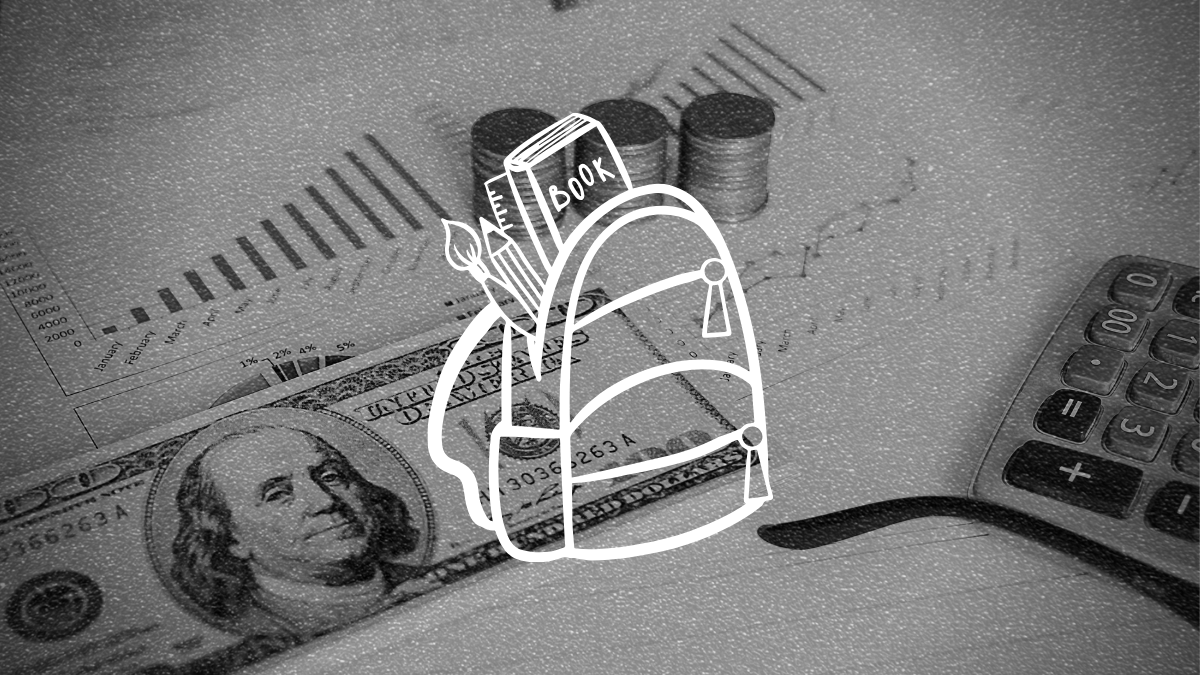
Did you know it is a requirement in North Carolina for students to complete a financial literacy course to graduate from high school?
During the 2020-2021 school year, this requirement came into effect beginning with ninth grade students who would graduate high school in 2024.
When this requirement became law in 2019, the North Carolina legislature included money in the state budget to pay $500 to teachers to take a training course from the N.C. Council on Economic Education, so teachers were prepared to take on this endeavor.
However, since the current legislature has yet to pass a budget, this may be a thing of the past.
Fortunately for Durham Public Schools, they have found a way to get students to learn about financial literacy and invest real money at the same time. Since the fall of 2021, Durham Public Schools has been working with First Generation Investors (FGI).
FGI is a nonprofit organization founded by a group of University of Pennsylvania undergraduate students in 2018. Through FGI, undergraduate students in the area volunteer to teach a financial literacy course to local high school students. This program is offered mostly to low-income Title I schools. In Durham, Duke undergraduates have been teaching these courses at local high schools.
Through this program, students not only learn how the market works but also receive $100 in real money to invest. After completing the program, finishing high school, and turning 18, these students can receive the money that they have invested.
How cool is that?!
–
As for the rest of the state of North Carolina, it is difficult to say what each county’s public school systems financial literacy program looks like and how this requirement has been implemented. For those who are interested in learning more about what your public school system is doing, reach out to them directly. Contact your local school board.
If you want FGI at your school, reach out to Brett Oslon at brett@firstgenerationinvestors.com.