Source:News & Observer
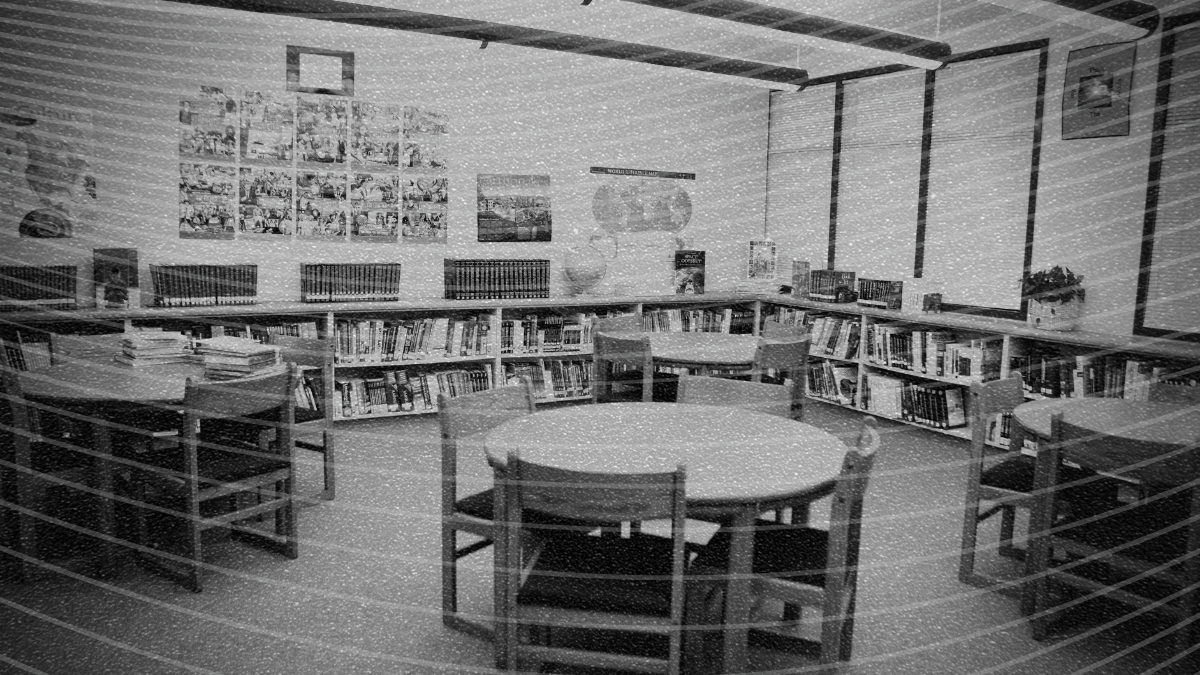
Johnston County School board members have voted to approve book bans in not only classrooms but school libraries. The Joco school board, which has made headlines in the last few years, approved the removal of any books with LGBTQ content from elementary school libraries due to North Carolina’s new Don’t Say Gay law.
The law, introduced by state Republicans, erases lessons about gender identity, and sexual orientation, and threatens educators with disciplinary action if they refuse to out students to their parents.
Under the Joco school board’s approval, the law would be applied to elementary school libraries.
Earlier this year, local parents defended the removal of several books – calling on the board members to not ban books from Johnston school libraries.
“We’ve seen a rise in book-banning efforts across the country,” Alan Hall of Clayton told the school board during its meeting back in April. “Groups like Moms for Liberty are leading the charge. They’re targeting books they deem inappropriate or harmful to children.”
Moms for Liberty, which has been compared to anti-integration groups during the civil rights era by The Southern Poverty Law Center, has set up 18 chapters in North Carolina, including one in Johnston County.
According to the New Yorker, the right-wing organization’s strategies at the local level include calling for book bans, advocating curriculum changes, and fielding extremist candidates for school board elections.
Joco school board members, like Michelle Antoine, are backed by conservative groups. According to The News & Observer, Antoine, who is a member of the conservative group, Citizen Advocates For Accountable Government, campaigned on discriminatory anti-CRT rhetoric.
“They’re not just targeting books about LGBTQ+ issues or the bogeyman critical race theory. They also talk about books about history, science and even classic literature,” Hall stated during the April board meeting. “When we censor books, we’re not just limiting children’s access to information,” he said. “We’re also limiting their ability to think critically and form opinions.”
According to The News & Observer, the school board is expected to give final approval on the updated policy next month.