
Source: NC Newsline
Markayle Gray, a Black teacher in Charlotte, has filed a lawsuit against Charlotte Secondary School, claiming that his firing from the charter school was “racially discriminatory.”
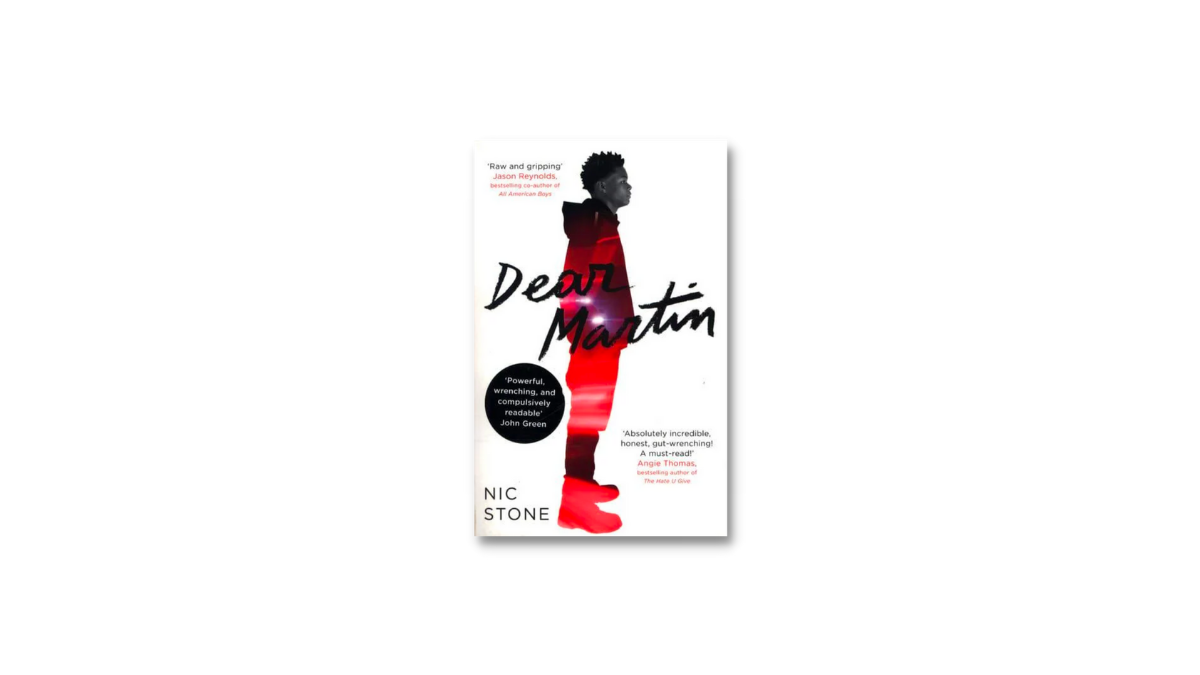
Gray, an English teacher, was fired in February. He claims his dismissal came after white parents complained about him teaching the novel “Dear Martin” to his middle school students during Black History Month. “Dear Martin” is a critically acclaimed novel by Nic Stone about a Black teenager’s struggle to understand racial injustice.
The book was approved by school administrators and recommended by the school principal, according to the lawsuit. However, the book has received backlash from conservative groups in other parts of the state. In January, Haywood County Schools, outside of Asheville, banned the book after a high school parent complained about explicit language and sexual innuendos in the novel.
According to Gray’s lawsuit, white parents complained to school leaders that “Dear Martin” is “divisive” and brought “unwelcome political views on systemic racial inequality into their children’s classroom.”
Charlotte Secondary School’s student body is more than 80% Black, Hispanic, or biracial. The school had 23 white students during the 2022-23 school year.
The lawsuit contends that Gray was not given the benefit of a performance improvement plan as laid out in the school’s employment handbook and that school leaders bypassed a conflict resolution process designed to mitigate parental concerns about curriculum.
“Principal [Keisha] Rock and the Charlotte Secondary Board of Directors seem to care more about bowing to political pressure than they do about following their own procedures and policies,” said Gray’s lead attorney Artur Davis.
Gray also alleges that white teachers have not been disciplined for teaching lessons on potentially polarizing topics on race, gender, and sexual orientation.
“Charlotte Secondary has filed complaints about multiple white teachers from black parents without taking any disciplinary or corrective steps, much less termination,” the lawsuit states. “Even when one complaint involved a white art teacher who made a racially insensitive comment about [the] color complexion of a black student.”
Gray’s lawsuit comes amid growing hostility towards the accurate teaching of our country’s history and an avalanche of book bans across the country. In March, the Republican-led N.C. House passed House Bill 187, which censors how North Carolina educators can teach their students about 13 specific concepts, such as race and gender. And over just two days in May, one conservative group, Moms for Liberty, filed nearly 200 challenges in an attempt to remove 20 books from Wake County school libraries (they were all rejected).
A school spokesperson said that Gray’s firing was “based on legitimate, nondiscriminatory, non-retaliatory reasons” but did not provide further details.
Rodney Pierce, a social studies teacher in Nash County, spoke out in favor of Gray. “Some people seem to only have issues when it comes to their children learning about the horrific experiences of Black Americans,” he said. “But in this case, they couldn’t even learn about it during Black History Month. If not then, when are they supposed to learn it?”