Source: Editorial Board
Courtney Hall made history in Greensboro, on Feb. 1, by opening Bump.Baby.Bliss. Hall’s business is the first Black-owned ultrasound studio in the city.
Bump.Baby.Bliss is a one-stop shop for all pre and postpartum needs. Hall’s business offers various services that include 2D, 3D, and 4D ultrasounds, early DNA gender testing, birth doula support, placenta encapsulation, perinatal therapy, childbirth classes, breastfeeding assistance, and mentorship.
With Hall being a mother herself with doula and therapy experience, it was important for her to create a business that puts the needs of mothers first, while making them feel seen and heard.
Hall told WGHP, “Particular [doctor’s] offices think [Black women] have a stronger pain tolerance, which is kind of traumatic to think about, but pain is pain. We’ve been conditioned to be a certain way, so I want women to feel empowered in asking questions because asking questions can save your life.”
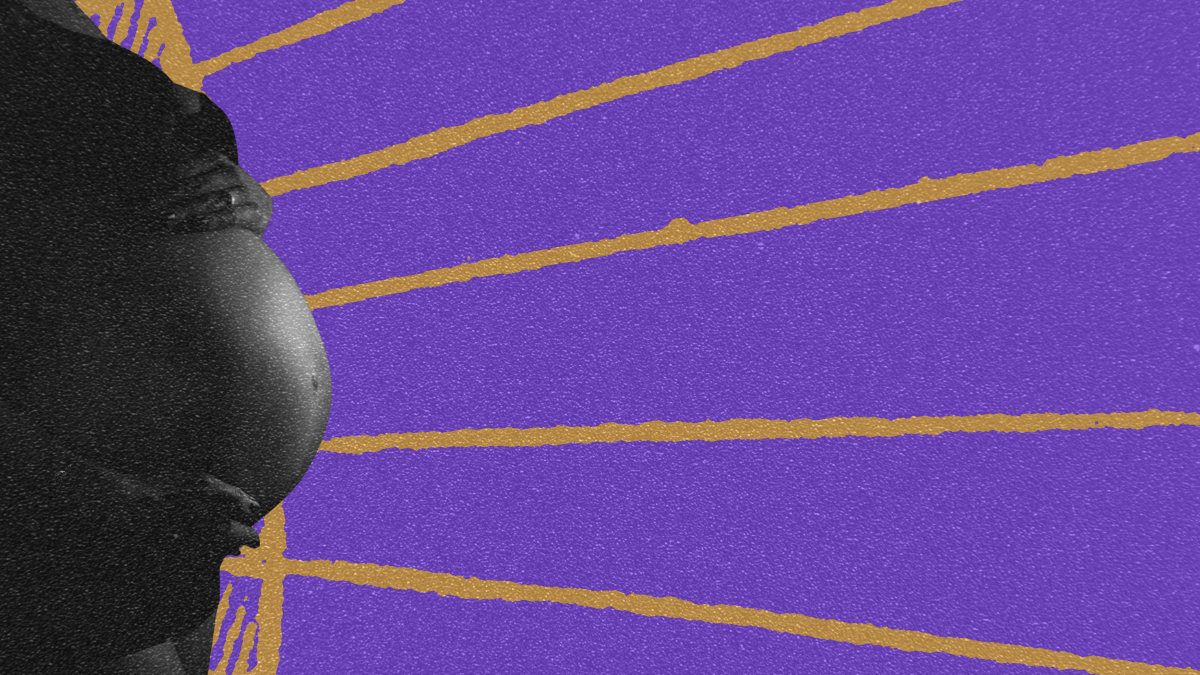
Unfortunately, here in North Carolina Black women are three times as likely to die from pregnancy-related complications than white women.
This is a statistic that Hall wants to help change.
It is Hall’s goal to serve Black women and others by using a holistic approach). This means she does not just treat the body, but also the mind and spirit. She does this by providing a birth doula and mental health support for the mother and their family as they welcome in new life.
Want to know more about Bump.Baby.Bliss?
Visit their website – www.bumpbabybliss.com and follow them on Instagram and Facebook @Bump.Baby.Bliss.
And if you or someone else you know is looking for assistance in pregnancy (before, during, or after). Feel free to book an appointment on the Bump.Baby.Bliss Square Site.