Source: WNCT
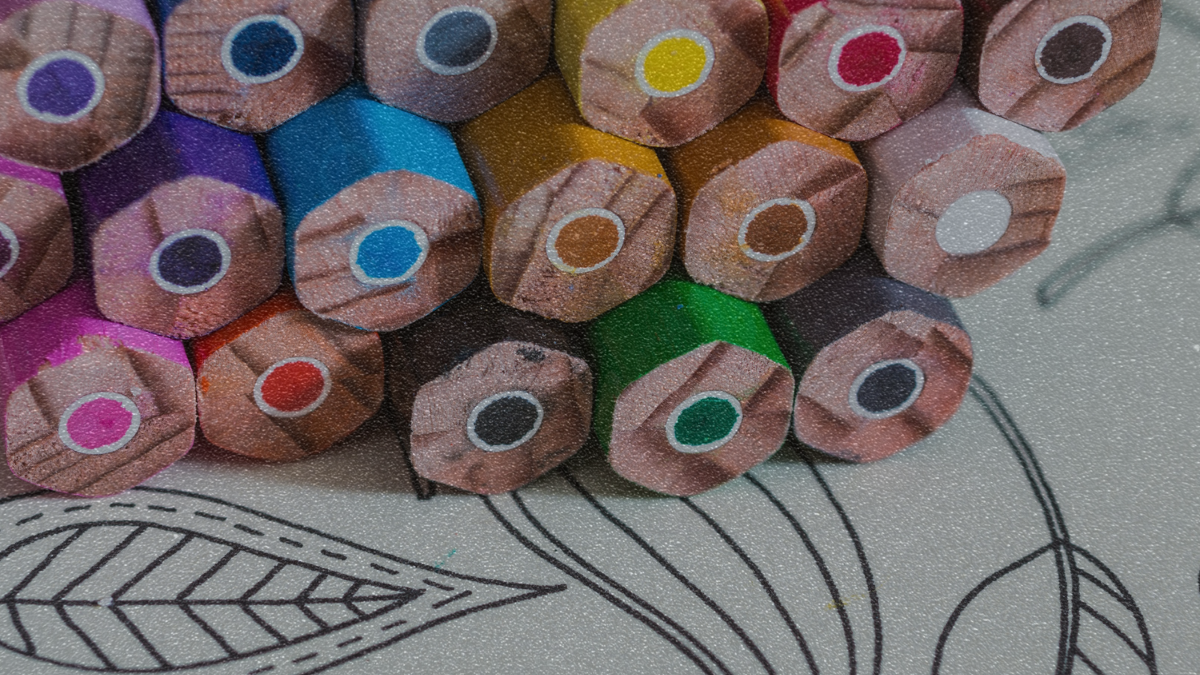
With over 1,286 pages currently filled, Mount Olive’s Scott Britt is attempting to color his way into the Guinness Book of World Records.
Britt began coloring at Ambleside, an assisted living facility in Snow Hill, and said he has colored non-stop and “started the first of the year and [went] to the end of the year” he said in an interview with WGHP.
There isn’t a standing record to best for the number of pages colored, but that hasn’t stopped Britt and his supporters at Ambleside.
“When [Scott] says he wants to set a world record, we will do whatever it takes for us to help get him there,” said Caleb Minshew, director of Operations at Ambleside, speaking to local news.
Surprisingly, it’s not the first coloring book record broken in North Carolina! Charlotte-Mecklenburg Parks & Recreation broke the record for the largest coloring page in 2022. The effort took over 200 kids and 1,400 crayons to complete a 1,000-square-foot illustration.
They’ve reached out to The Guinness Book of World Records to add a new category for most colorings done by one person in a year, which resembles other records.
In the meantime, Britt has no plans to slow his pace, promising “I’m going to try to reach my goal.”