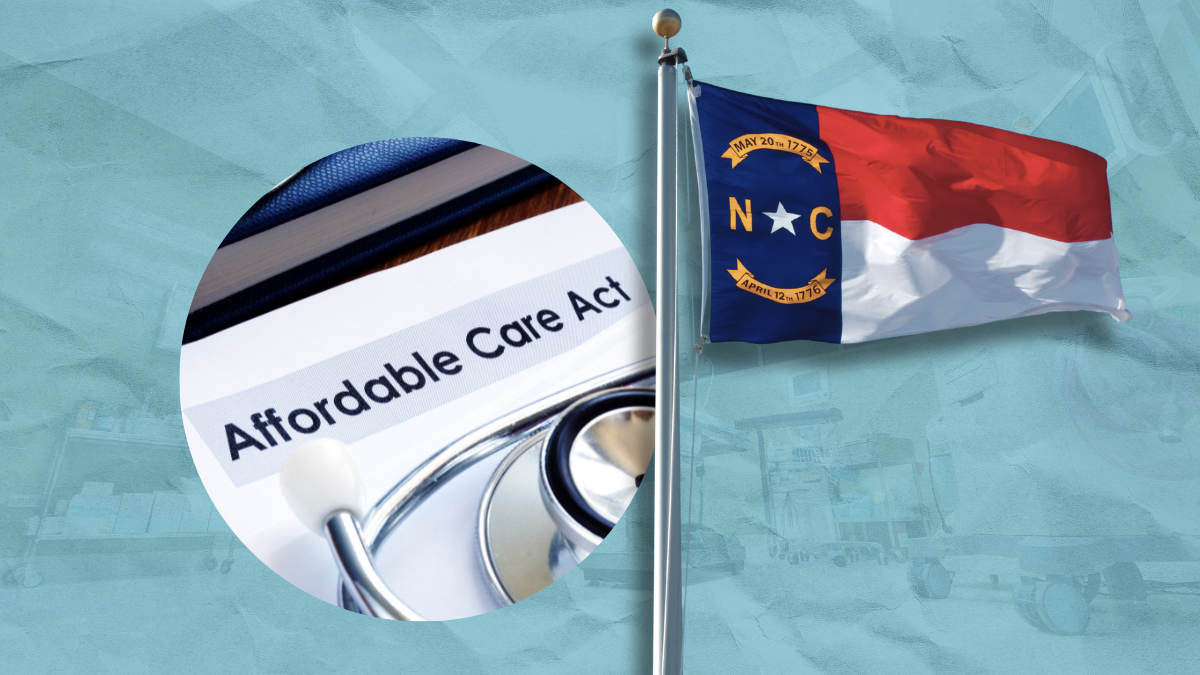
At the start of the new year, Affordable Care Act tax credits expired, leaving many North Carolinians in limbo about healthcare access. The tax credits were a resource that provided financial assistance to individuals by lowering premiums for healthcare coverage in the Affordable Care Act marketplace.
Since its expiration, North Carolina has seen a 22% drop in enrollment in the Affordable Care Act marketplace, and premiums have increased by a whopping 114%.
The Affordable Care Act has made it possible for more than 20 million people to be insured since its passage. By not extending the ACA tax credits, Congressional Republicans are actively forcing millions of Americans to be uninsured.
Through Trump’s Big, Ugly Bill Act, many North Carolinians have lost health care coverage or are paying significantly higher premiums for healthcare. People in rural areas are disproportionately affected as they are expected to pay 28% higher premiums compared to urban residents.
Higher premiums in rural areas are especially pertinent because rural hospitals are already at risk of closure due to federal cuts.
“Historically, in rural parts of the state, and especially Halifax County, we have a pretty high percentage of people who were uninsured pre-Affordable Care Act and pre-Medicaid expansion. A lot of people, especially with the subsidies, were able to afford coverage. Even in the five years I’ve been here, a number of my patients were able to get coverage through the ACA because they were just able to afford marketplace plans,” said Dr. Ray Antonelli, who practices at Federally Qualified Health Center (FQHC) in Halifax County.
The fight to restore the Affordable Care Act tax credits is still underway, with the Senate at center stage. The Senate needs to pass the bill to restore credits, and the Trump administration needs to sign it into law. However, Senate Republicans are reluctant to pass a bill that would help millions of Americans have access to healthcare.
“A lot of Americans are not going to welcome the news that Congress is making their health insurance less affordable,” said Jonathan Oberlander, a political scientist at UNC Chapel Hill.
We must continue the fight for healthcare access in our state as the lives of millions of North Carolinians depend on it.