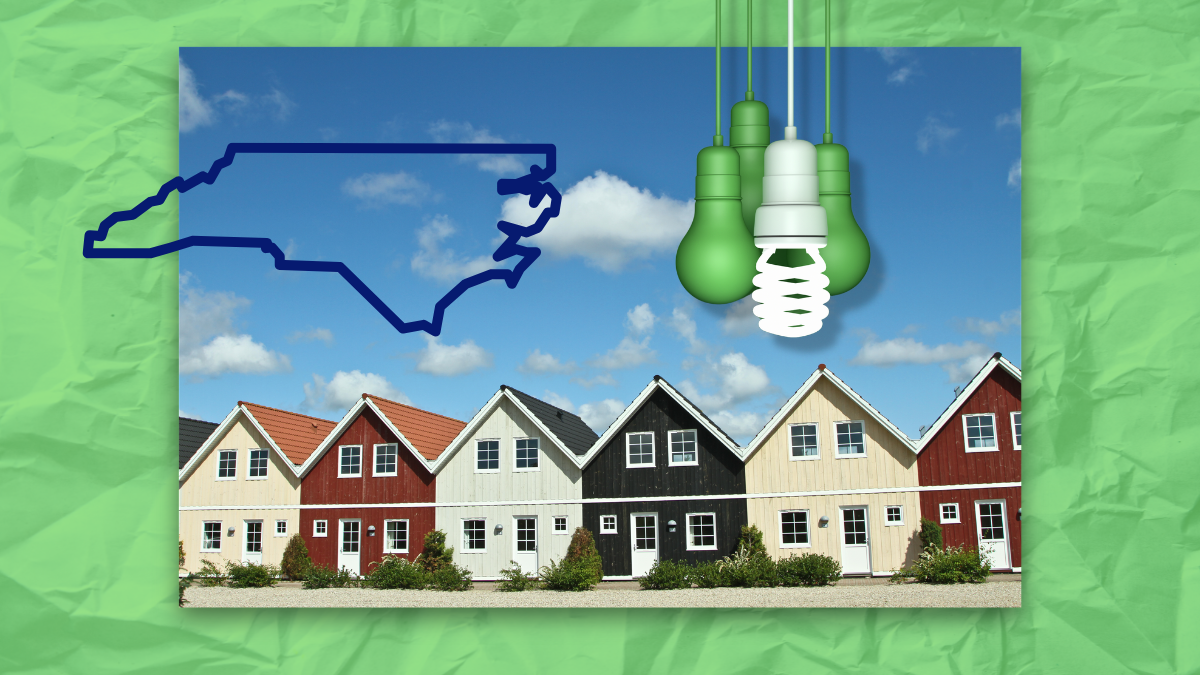
A new report by the Southern Alliance for Clean Energy compared energy savings across state utilities and found that North Carolina leads its fellow southeastern states in energy efficiency.
While North Carolina’s energy savings as a percentage of energy spent in 2024 is at 0.53% (compared to 0.31% for South Carolina and just 0.05% for Alabama), other regional averages are much higher – including the northeast United States at 0.76% and the Midwest at 0.71%.
According to the report, North Carolina’s regional lead can be attributed to regulatory action by state lawmakers and the utility commission.
North Carolina is one of only two southeastern states with a fully running Home Efficiency Rebate program. Energy Saver NC supports residents who want to electrify their homes and use that electricity more efficiently, offering up to $16,000 toward new appliances, better insulation, or other purchases that help a home use electricity more efficiently.
Additionally, programs like Duke Energy’s Neighborhood Energy Saver Program, which assist customers in lowering their monthly energy bills, also contribute to North Carolina’s savings. The program is a direct result of legislation passed in 2007 to aid in energy efficiency.
However, there is still a long way to go for Duke Energy to reach both other regional averages and its own past performance. The report notes that from 2017-2019, the energy utility had savings that neared or exceeded 1.0%.
“Much of Duke’s residential energy efficiency program savings fade within a year because they come from targeted customer education rather than home performance improvements such as insulation and duct-sealing,” the report’s authors conclude.
Furthermore, with data centers flocking to North Carolina and energy demand expected to skyrocket in the near future, energy utilities will have to shift their focus.
Most current energy savings programs focus on residential and commercial customers, the report notes. Meanwhile, southeastern utilities are doing very little to improve energy efficiency among industrial customers, such as large data centers.
Last month, Gov. Josh Stein’s administration released a set of proposals for managing the impact of data centers and keeping energy affordable for North Carolinians.
“I look forward to our state’s building on this progress in the months ahead,” Stein said.