Source: News & Observer
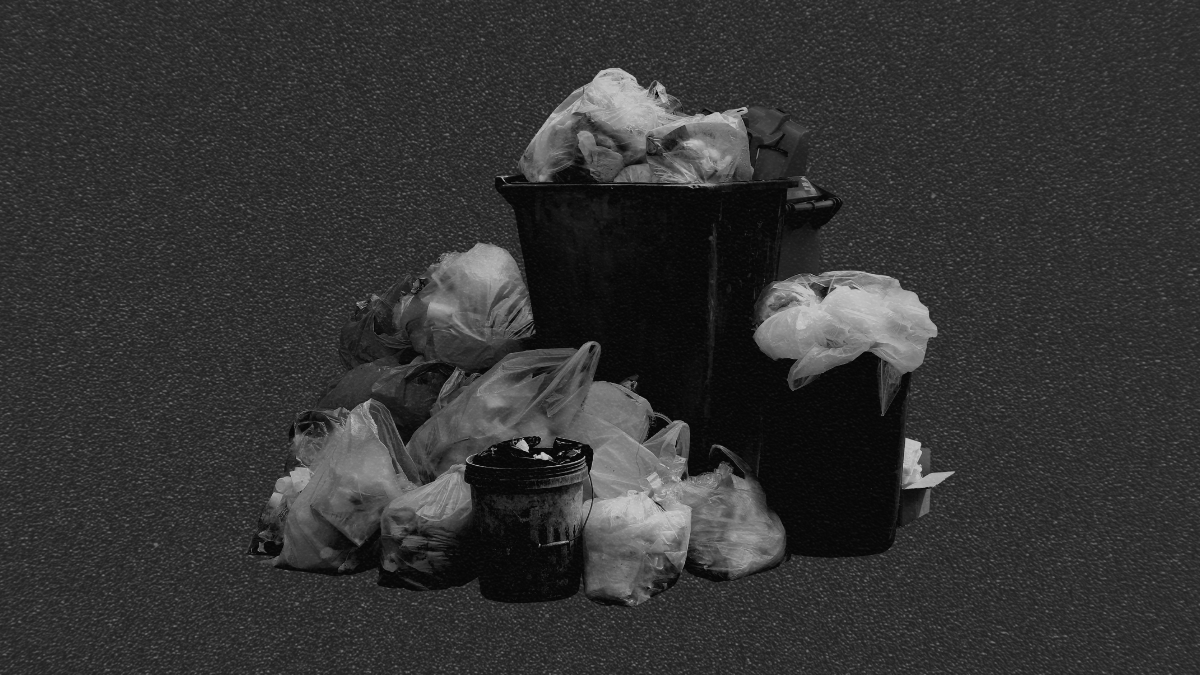
The Republican-led North Carolina legislature has blocked local governments from banning single-use plastic bags and Styrofoam containers. The provision was inserted into the state budget, which was signed into law by Governor Roy Cooper in September.
The move has been met with criticism from environmental groups and local officials. They argue that it is an overreach of state power and that it will harm the environment.
“This is a short-sighted attempt to take control from local governments trying to serve their communities by protecting public health and cleaning up their streets and creeks,” said Hannah Woodburn, MountainTrue’s High Country Watershed Outreach Coordinator.
The provision to block plastic bag bans was inserted into the budget to please the North Carolina Retail Merchants Association, which has lobbied against such bans. This underhanded tactic makes law without public review or debate. Tying it to the budget, which also includes much-needed Medicaid expansion, made it all but impossible for Democratic Gov. Roy Cooper to veto it.
The ban on local plastic bag bans overrules local governments despite overwhelming support for the measure in some communities. Asheville and Buncombe County were both considering plastic bag bans before the state legislature stepped in. Republicans once said that the government closest to the people governs best. But this Republican-led General Assembly keeps a short leash on local governments, especially Democrat-dominated cities and counties.
“This is not a radical thing. We are quite behind the times in pushing something like this forward,” said Anna Alsobrook, a member of Plastic-Free WNC.
Five states and more than 500 localities have adopted plastic bag bans. Studies have shown that these bans can be effective in reducing plastic bag use and litter. However, the North Carolina legislature has blocked local governments from taking similar action.
The Republican legislature’s decision to cater to special interest rather than to public interest is another step backwards for North Carolina.