Source: NC Newsline
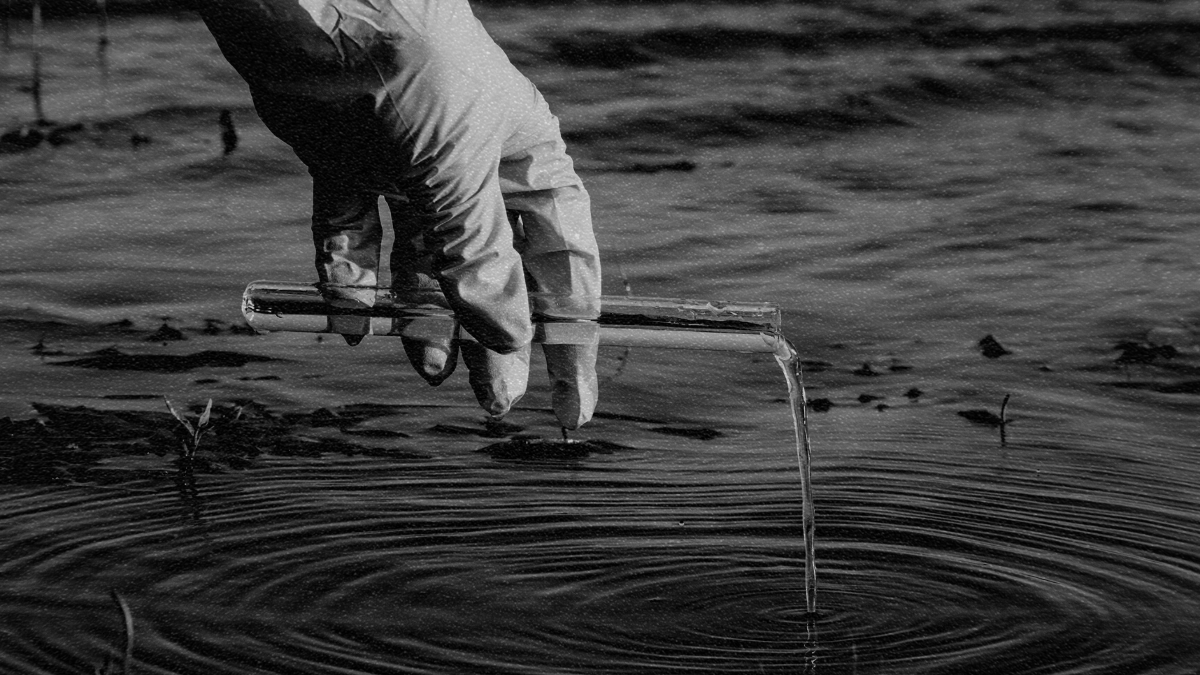
Residents of Pittsboro face a serious threat to their drinking water due to upstream industrial pollution. Industries in Burlington, Greensboro, and Reidsville have been discharging harmful chemicals like 1,4-dioxane and PFAS into the Haw River, the town’s water source.
Mayor Kyle Shipp, state Rep. Robert Reives and Attorney General Josh Stein recently highlighted the issue at a press conference. Shipp emphasized the Haw River’s importance to the community and the health risks posed by the contamination. He criticized the state legislature’s inaction and called for accountability from polluters.
“The Haw River is not just a natural resource, it’s part of our identity,” Pittsboro Mayor Kyle Shipp said at the press event. “Yet the shadow of contamination has loomed large over these waters. And the issues we face with pollutants entering our water supply have not only threatened our environment but the health and well-being of our residents … challenging us to confront a problem far bigger than our small community,” Shipp continued.
This crisis isn’t new. The state has been aware of similar issues since 2015, yet meaningful legislation remains absent. Local governments like Pittsboro are left to bear the burden, spending millions on advanced treatment systems to protect residents.
Pittsboro is taking legal action against Apollo Chemical, which discharged 1,4-dioxane into residents’ drinking water, and major PFAS manufacturers like Chemours and DuPont. The town aims to hold polluters accountable and recoup the costs of protecting its water supply.
The situation underscores the need for stronger environmental regulations and enforcement. GOP Lawmakers’ indifference leaves communities like Pittsboro vulnerable and forces them to fight for their basic right to clean water.