As the child of immigrants and a first-generation American, I have lived the reality many of our lawmakers ignore. I grew up in a community that thrived through hard work, mutual aid, and resilience. My parents taught me love, compassion, and the value of helping others — lessons far removed from the greed and power games I see in Washington today.
When I first saw that the “Big Beautiful Bill” allocates a staggering $170.7 billion to immigration and border enforcement, my heart sank. This isn’t an investment in safety or justice — it’s a monument to misplaced priorities, built on fear and misinformation.
This federal bill diverts critical funding away from essential programs like Medicaid, which over 3 million North Carolinians depend on for health care access, while investing an astonishing amount of dollars in an increasingly unpopular mass deportation plan.
Supporters of this measure claim it protects American taxpayers. But the truth is, it wastes their money on punitive policies that harm immigrant families, destabilize communities, and erode the very values our country claims to uphold.
This federal bill will supercharge detention, deportation, and surveillance — and it’s being sold to the public under a narrative fueled by lies and hate. The real criminals are not the immigrants being targeted; they are the policymakers who strip away human dignity for political gain.
The harmful provisions in the costly federal spending bill are clear: restricting access to resources for undocumented residents, expanding enforcement instead of community support, and ramping up information-sharing between local police and federal immigration authorities. These measures don’t make us safer — they make our friends, neighbors, and colleagues more vulnerable. We’ve already seen the consequences in raids across California, Texas, Georgia, and beyond, where people are torn from their families, treated like dangerous criminals, and denied basic human rights.
Immigrants are part of the backbone of this nation.
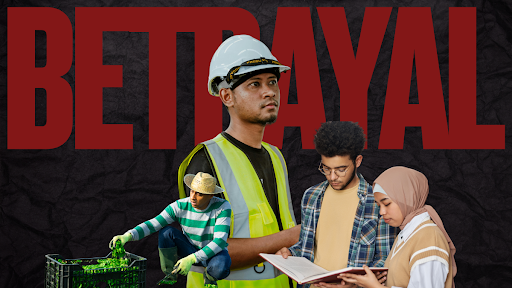
Nationally, over 1.4 million undocumented residents work in the construction industry, making up 13 percent of the total. In North Carolina, 24 percent of the 392,000 workers in the construction industry are immigrants. And roughly 366,000 health care workers are undocumented nationwide, with immigrants representing 7 percent of all health care workers and 5 percent of health-care support workers in our state.
They deserve protection, not persecution. They work, pay taxes, and contribute far more than they take. Data from the American Immigration Council shows that immigrant households paid nearly $16.80 in every $100 tax dollars collected by federal, state, and local governments.
In 2022 alone, undocumented immigrants’ tax contributions totaled $96.7 billion—funding a wide range of social services like Social Security and Medicare that benefit all Americans. In North Carolina, undocumented residents paid $692 million in state and local taxes, according to the NC Budget & Tax Center.
In this pivotal moment, we can’t afford to be silent. Our silence allows injustice to take root.
Before other harmful bills like the “Big Beautiful Bill” become law again, we must demand better for our state and our communities. These policies don’t just reflect poor judgment—they have real consequences for families, workers, and vulnerable individuals across the state.
It’s time to raise our voices, organize, and push back against legislation that prioritizes politics over people. The future of our communities depends on what we do right now—together, we can make a difference. Change is possible, but only if we refuse to back down.
Let this be the moment we choose action over apathy and hope over fear.
Contact your state representatives. Speak out publicly. Share your stories. Join and support local organizations like Siembra NC, Carolina Migrant Network, and other organizations that are on the frontlines fighting for immigrant rights. When we unite and organize, we have the power to stop harmful policies before they destroy lives.
If we truly care about justice — and about using our tax dollars wisely — we must reject fear-driven legislation and stand on the side of human dignity.
We resist because we exist. Resistimos porque existimos.
America J. is a young leader in NC organizing for immigrant rights, building power and dignity for her community.