Trump administration’s move to shut down USAID will have major economic impacts on North Carolina

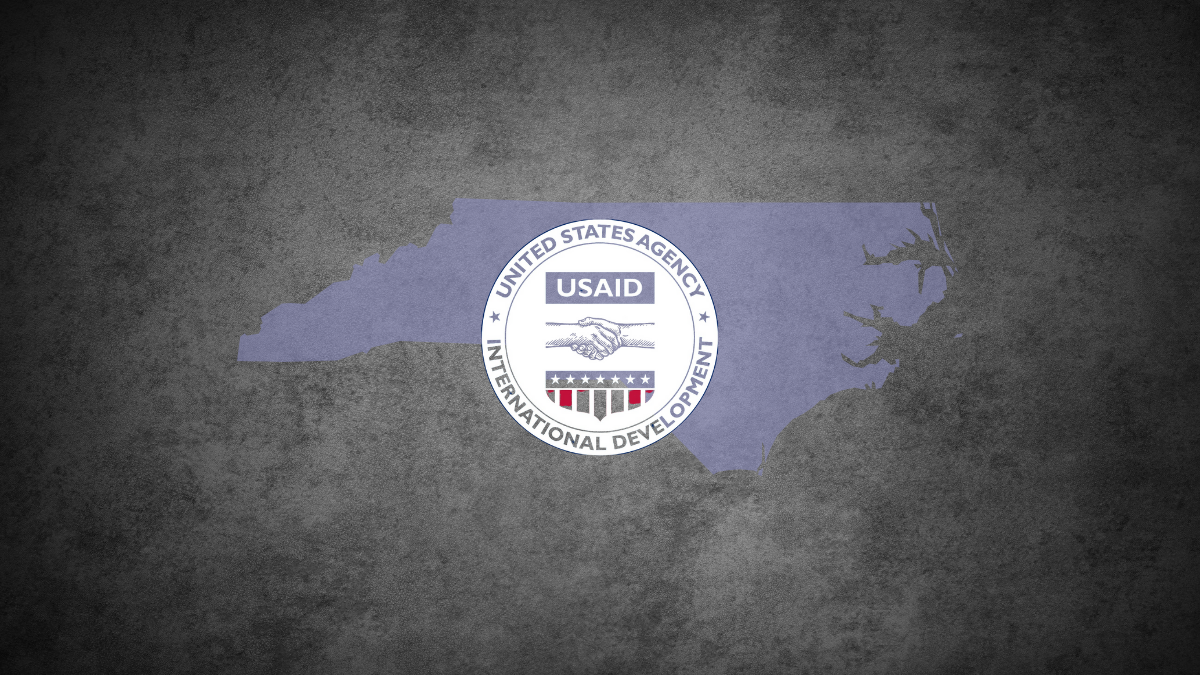
The Trump administration is moving to shut down the U.S. Agency for International Development (USAID), the government group responsible for funding global health and education initiatives and fighting epidemics, famine, child sex trafficking, corruption, and more overseas. 

The move will impact more than just the 10,000 workers the agency employs and the humanitarian work it does overseas. North Carolina is the fourth-largest recipient of USAID funding in the United States, with state-based organizations receiving nearly $1 billion a year. That funding helps bolster a robust global health sector that adds $31.9 billion every year to North Carolina’s economy and employs 120,000 people.

“The dismantling of USAID is a direct assault on North Carolina’s economic vitality and our leadership in global health,” said Brianna Clarke-Schwelm, of the nonprofit organization North Carolina Global Health Alliance. A shutdown of USAID “threatens to decimate an industry that not only provides thousands of jobs but also plays a crucial role in addressing global challenges,” she said. 

The impacts of the funding freeze and threats to shut down the agency are already being felt in North Carolina.

This month, the Durham-based global research nonprofit FHI 360, which gets two-thirds of its budget from USAID, announced it was furloughing 36% of its staff, including more than 200 workers in North Carolina. The nonprofit research institute RTI International announced temporary layoffs for 226 employees across the county, including 61 in North Carolina
According to the non-partisan Congressional Research Service, President Trump does not have the authority to dismantle USAID without congressional authorization. North Carolinians concerned about the impacts of a USAID shutdown are urged to contact their U.S. Senators Thom Tillis and Ted Budd and urge them to oppose its dismantling.

Share:

More Posts

Otro año pasa con la demanda Leandro sobre el financiamiento escolar estancada

La Corte Suprema de Carolina del Norte continúa sin emitir un fallo en la histórica demandaLeandro sobre el financiamiento de las escuelas públicas, dejando el caso en el limbo más de 660 días después de que se escucharan los alegatos orales. La demora es inusual y se produce pese a que el tribunal ya publicó sus decisiones finales del año sin incluir este caso clave, que podría definir el futuro de la educación pública en el estado.

Trump vuelve a vender cheques de $2,000 sin plan, sin aval legal y sin garantías

Donald Trump ha retomado la promesa de enviar cheques de reembolso de hasta $2,000 a los estadounidenses en 2026, asegurando que los fondos provendrían de los ingresos generados por los aranceles. Sin embargo, la propuesta carece de un plan concreto y enfrenta importantes obstáculos legales y políticos que ponen en duda su viabilidad.

My ACA premium is increasing 240%

My husband and I are small business owners, so we rely on the Affordable Care Act for health care coverage. We currently pay $400 per month for medical and dental care. But, because of Republicans’ refusal to fix the crisis they’ve created, our monthly medical health premium is expected to cost us 240% more in 2026. And my daughter, a Medicaid recipient, could lose coverage altogether.

Autoridades federales comparten datos de viajeros con ICE, incluso en vuelos nacionales

La Administración de Seguridad en el Transporte (Transportation Security Administration, TSA) está proporcionando a las autoridades migratorias de Estados Unidos listas con los nombres de personas que se espera viajen a través de aeropuertos del país, como parte del programa de deportaciones de la administración del presidente Donald Trump, según informó The New York Times.