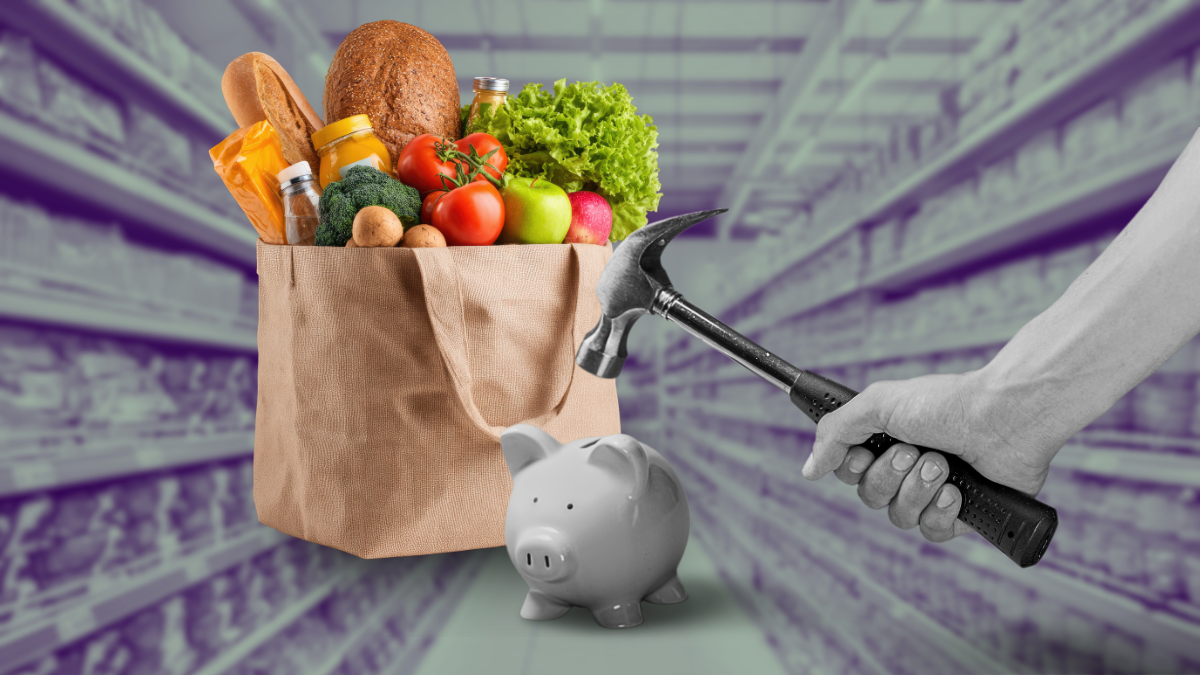
Food insecurity is on the rise in North Carolina, and according to Feeding America, 1-in-7 North Carolinians are food insecure. For children, the percentage is higher, as 1-in-5 children are worried about their next meal due to the Trump administration’s harmful tariffs and drastic cuts to the Supplemental Nutrition Assistance (SNAP) program.
Tariffs have increased the price of groceries by 2.7%, and as a result, more North Carolinians than ever are relying on local food banks.
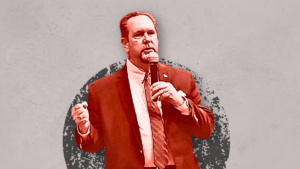
“Across the more than 700 local pantries, meal and food distribution sites, many partners have been reporting to us increases in visits ranging from 20% to 60%,” said Amy Beros, President and CEO of the Food Bank in Central and Eastern North Carolina.
Trump’s “Big Ugly Bill” has made significant cuts to the United States Department of Agriculture (USDA) and to SNAP. Children and communities of color have been affected disproportionately, and the cuts have also caused many North Carolinians to lose their coverage, making it harder to put food on the table.
Statewide, there has been a drop in enrollment by more than one million as of May 2026. Stricter work requirements have made SNAP enrollment harder, and state funding can not make up for inadequate federal funding. Starting October 1st, the Trump administration will cut SNAP administration costs in half to 25%, shifting 75% of the costs to states.
Just last year, the Trump administration also cut $11 million in USDA funding for food banks. Food banks and pantries are great resources, but the demand for food mixed with lack of funding is a recipe for disaster and is not sustainable in the long run. For example, for every meal that the Food Bank of Central and Eastern North Carolina provides, SNAP provides nine.
“So, for those who are working, the challenge can be unstable hours, seasonal employment, caregiving responsibilities, help limitations, transportation, or even the documentation required to continue to prove eligibility, and our state data shows that SNAP enrollment already declined by more than 110,000 people between September 2025 and August of this year,” said Beros.
All North Carolinians deserve to be able to afford groceries and not worry about their next meal on top of other affordability concerns. The state should have help from the federal government to carry the brunt of SNAP costs. More federal funding is needed to keep this important program, which more than one million people depend on to eat, afloat.