Source: Editorial Board
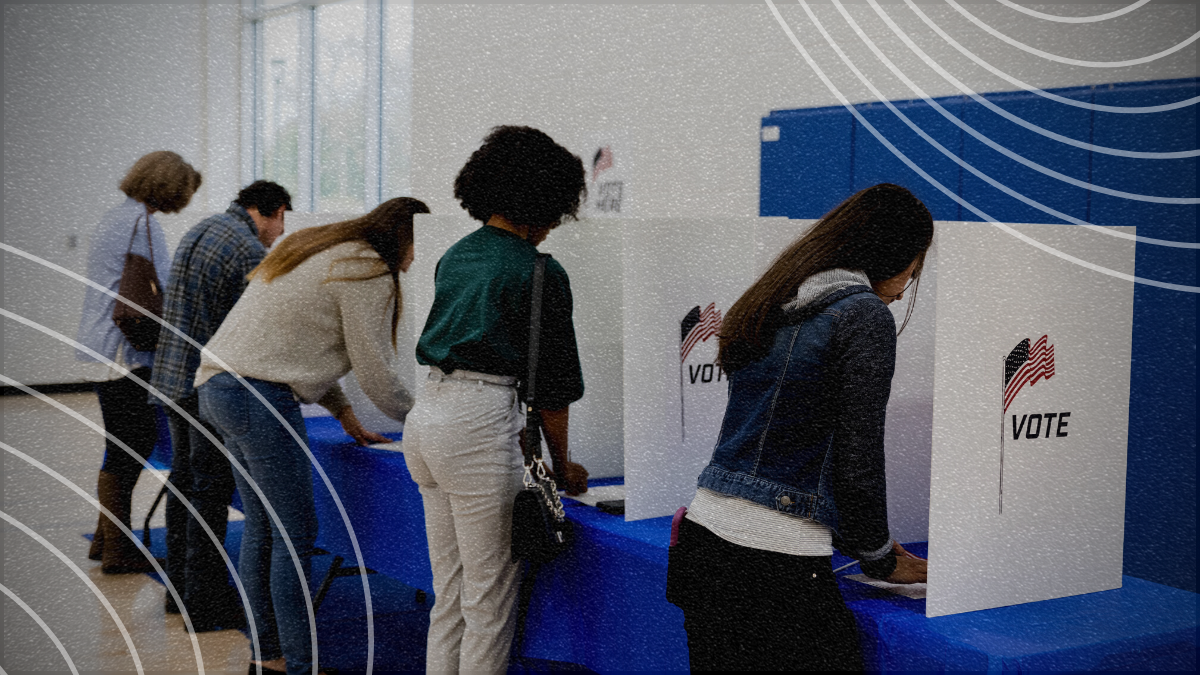
As much as Republicans in the North Carolina legislature hope that you can’t (or won’t) vote due to all of the restrictions and barriers they have put in place – such as voter ID – it’s possible to make your voting experience smooth and easy.
Requiring a valid ID card to vote can certainly be a hindrance for some voters, such as the elderly, college students, and the underprivileged, but the North Carolina State Board of Elections and your local county board of elections are making it much easier for residents to get an ID.
Voters won’t need any special documents or paperwork to get a free voter ID card at their county board of elections – all you need to do is provide your name, birth date and the last four digits of your Social Security number. You should also be prepared to have your picture taken for your card. Within a few minutes, you’ll have a freshly printed ID card to put in your wallet.
You can also get an ID card at the DMV, though that’s not recommended unless you’re already there for another appointment.
If you already have an acceptable form of identification then you don’t need a separate voter ID card.
Accepted forms of ID for voting include:
- Driver’s license (North Carolina or another state if registered in North Carolina within 90 days of the election)
- Military or veteran ID cards
- State Board-approved college student and public employer ID cards
- U.S. Passport or U.S. Passport Card
All of these forms must be unexpired or expired for one year or less.
The State Board of Elections has also approved a long list of student and employee photo IDs that can be used for voting. You can find a full list of UNC schools, HBCUs, and community colleges here.
Those who want to vote by mail should be aware that a photocopy of an acceptable photo ID must be included in the envelope with your ballot.