One year ago, Trump signed H.R. 1, also known as Republicans’ One Big Ugly Bill, into law, which made historical cuts to health care and food assistance while giving billions in tax breaks to the ultrawealthy and big corporations.
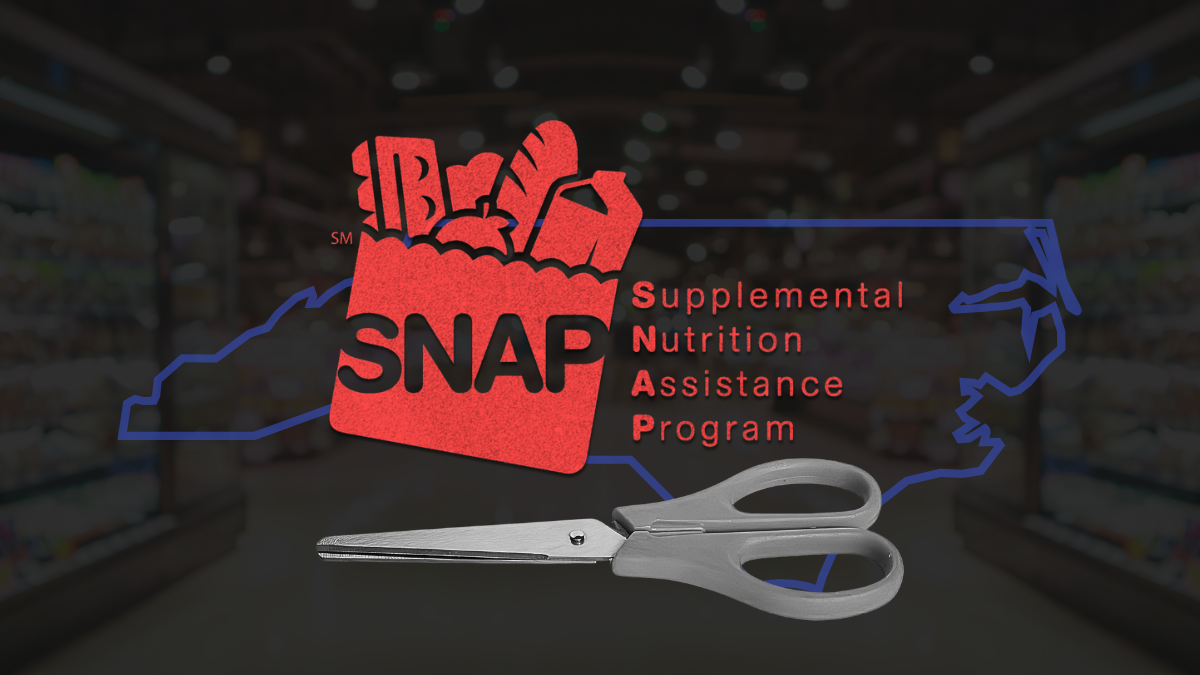
North Carolina has been particularly hard hit by the Trump administration’s cuts to health care coverage and SNAP, which nearly 1.3 million residents rely on to put food on the table.
Additionally, SNAP supports entire communities, numerous local governments, grocery stores, and farmers. Before the cuts, the federal program brought close to $3 billion in food purchasing power to the state every year, increasing local sales at grocery stores, community food stores, and farmers’ markets.
According to a press release from the NC Budget & Tax Center, the impact of the cuts is already visible, as 180,000 fewer North Carolinians were receiving SNAP in March than when H.R. 1 was enacted in July 2025 — a decline of about 13 percent.
Our state is expected to see a greater impact beginning October 1st, when the federal government will reduce its share of SNAP administrative costs from 50 percent to 25 percent. The drastic reduction will leave North Carolina and its counties to shoulder the costs of the remaining 75 percent, according to NC Budget & Tax.
“One year after H.R. 1, North Carolina classrooms are quietly absorbing the cost. As families lose access to programs like SNAP and Medicaid, schools lose the enrollment counts tied to those programs and, with them, funding formulas built to serve working-class students. North Carolina had the resources to protect that funding gap and chose not to,” stated Bekah Brown, Education Justice Alliance, in a press release following the state legislature’s budget votes.
In the latest short session, the Republican-led NC General Assembly had an opportunity to address this cost within the state budget. Democratic Governor Josh Stein proposed state budget recommendations to fully fund the NC Medicaid Program, protect the state’s Supplemental Nutrition Assistance Program (SNAP), and improve access to healthy food and clean drinking water to enhance the safety, health, and well-being of all North Carolinians.
However, the recently passed state budget fails to adhere to Stein’s recommendations in providing funding to help counties cover their increased costs. According to NC Budget & Tax, the state budget leaves counties to shoulder $52 million in new SNAP administrative costs this fiscal year and shifts any future state SNAP benefit costs onto counties. Beginning in 2027, these benefit costs could total up to $140 million in the first year alone, and counties will be forced to cover them with sales tax revenues.
“Congress made it harder for families to afford food and health care and then sent part of the bill to states and local communities,” stated Alexandra Sirota, Executive Director of NC Budget & Tax Center. “North Carolina’s legislative leaders had an opportunity to protect families and help counties manage these new costs. Instead, they passed a budget that continues tax cuts primarily benefiting the richest North Carolinians and profitable corporations while leaving communities without the resources they need.”
Read more of NC Budget & Tax Center’s analysis of the 2026-2027 state budget here.