Source:Public News Service
August marked the first anniversary of President Joe Biden’s Inflation Reduction Act (IRA), a landmark clean-energy law that includes providing tax credits to help consumers buy electric vehicles and companies produce renewable energy.
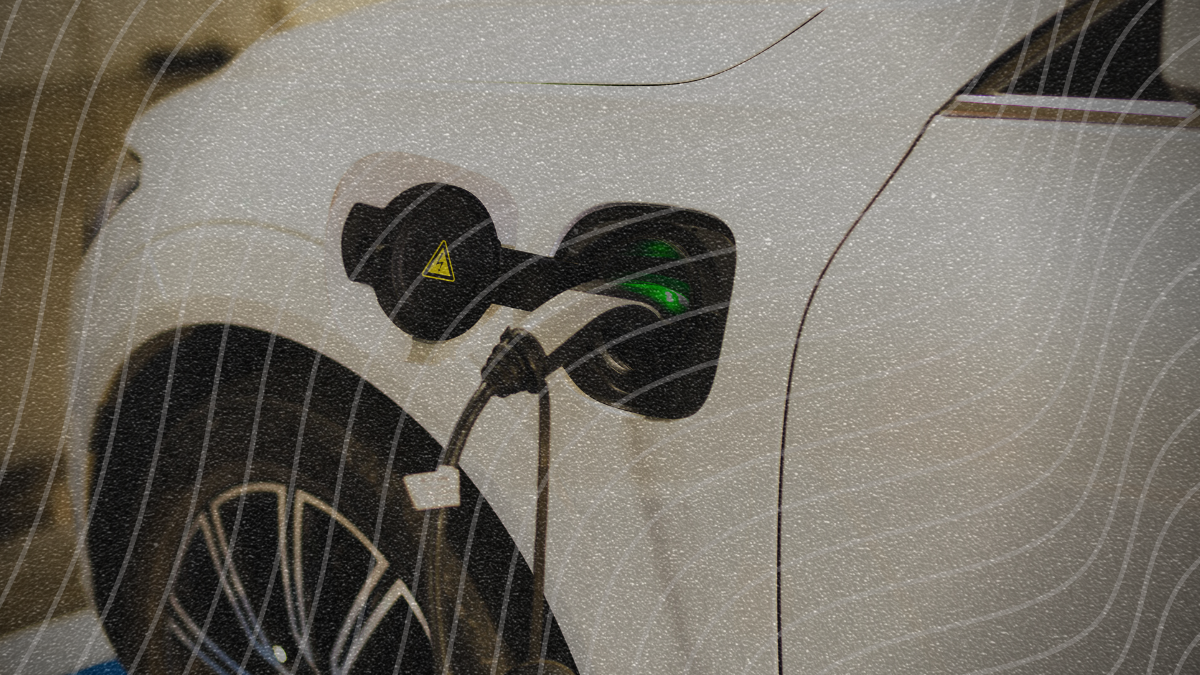
A report from Environmental Defense Fund and WSP USA ranked North Carolina as one of the top four states in electric vehicle growth over the past year; bringing more than 10 billion dollars to the state and an estimated $18 billion more by 2030.
“With a 67% increase in announced investment since March, North Carolina is poised to be a leader in this emerging industry,” David Kelly, North Carolina Director for Environmental Defense Fund, told WRAL. “Supportive policy like the Inflation Reduction Act and complementary actions at the state level will further sharpen North Carolina’s competitive edge.”
According to the Department of Energy, electric vehicle registrations have increased by 47% in the state over 12 months.
Local businesses are also benefiting from the IRA; using the wide-ranging law to fund green initiatives and lower their emissions.
According to Public News Service, the IRA is estimated to invest over $21 billion in clean-energy tax incentives for the state.
Brad Ives, former executive director of the Catawba College Center, told Public News Service that the IRA would assist small businesses by offering financial aid programs such as grants, loans and tax incentives, making projects more cost-efficient.
Read more at Public News Service.