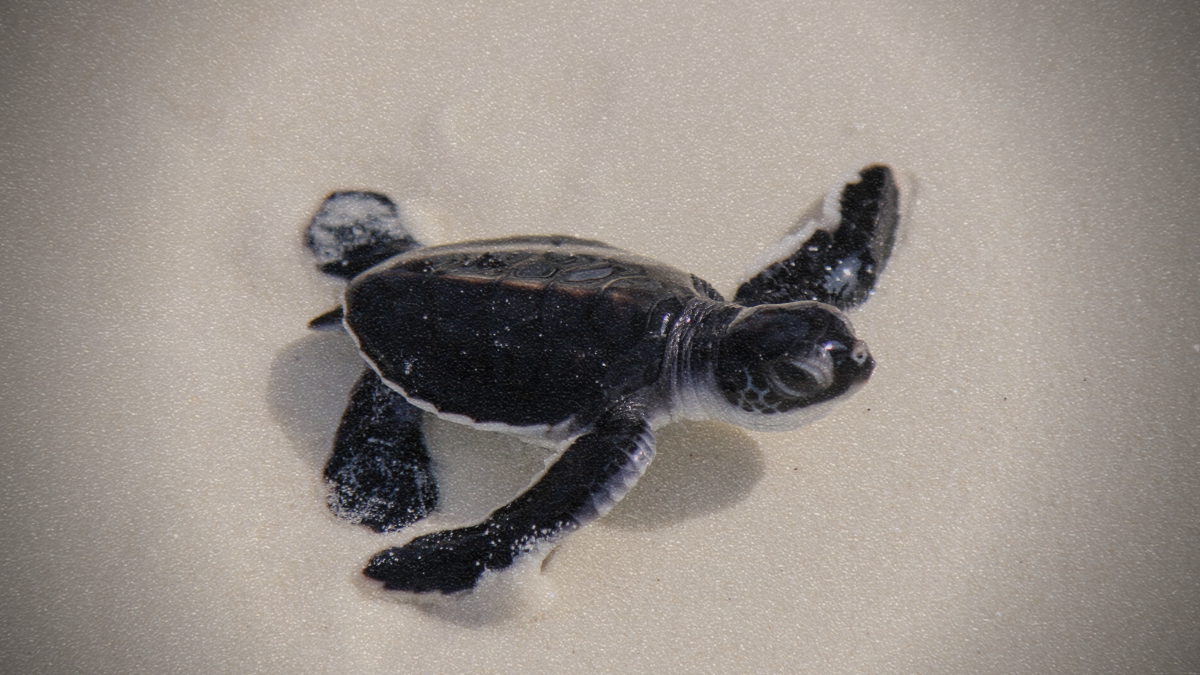
The NC Coast Guard recently released 81 rehabilitated turtles from North Carolina’s Sea Turtle Assistance & Rehabilitation Center on Roanoke Island that were rescued from the coast. The turtles were suffering from a condition called “cold stun” which occurs when marine reptiles, usually turtles, are unable to to escape water below 50F and their cold blooded circulation systems cause lethargy and disorientation.
Cold stunned turtles become unable to swim, float to the surface of the water and are swept into watercraft, shorelines, and the jaws of predators. Smaller, juvenile turtles are more vulnerable to cold stunning, which can also affect a turtle’s circulation and ability to fight infections.
The cold stunning of turtles has been documented since the 1800s but according to data collected by Mass Audubon, the rate of turtle stunnings has risen over the past 10 years. According to a report by the International Association of Aquatic Animal Medicine, over 1600 turtles were affected by a “sudden and drastic” water temperature off the NC coast in January 2016.
NC only had two dedicated turtle rehabilitation facilities to respond to the crisis but with help from NC Aquarium, the STAR Center on Roanoke island and Karen Beasley Sea Turtle Rescue and Rehabilitation Center (KBSTRRC), saved over 800 turtles which were released to warmer waters off the Florida coast.
According to the South Carolina Aquarium, climate change is accelerating the risk to turtles by increasing the frequency of severe weather events like polar vortexes and remapping warm water currents and migratory routes. The National Aquarium has also shortlisted NC’s Pamlico Sound as a high frequency area for turtle stunnings.
So how can you help? You can advocate for climate action, support organizations like STAR and the KBSTRRC that specialize in turtle rehabilitation, and call 252-241-7367 if you ever encounter a cold stunned turtle.
Source: Coastal Review