Source: Axios
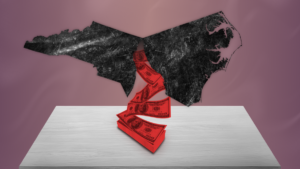
The Biden-Harris administration approved a plan in late July under which North Carolina will give hospitals additional Medicaid funds if they forgive the medical debt of approximately 2 million residents.
The plan has the potential to relieve as much as $4 billion in medical debt from the last decade, according to North Carolina Gov. Roy Cooper.
The plan would cover the debt of Medicaid recipients and those with incomes at or below 350% of the federal poverty line ($109,200 for a family of four) or those for whom the total debt exceeds 5% of their annual income.
Hospitals that receive the extra funds would also have to agree to discount medical bills on a sliding scale for patients with incomes at or below 300% of the federal poverty level ($93,600) and automatically enroll people into financial assistance. They also can’t sell any medical debt for consumers with those incomes to debt collectors.
The move, which comes on the heels of a separate proposal to wipe medical debt from 15 million people’s credit reports, shows the administration’s commitment to easing a major source of economic concerns.
Vice President Harris has been a key driver behind these medical debt initiatives. The impact should be large here in North Carolina, as in recent years the state has had the third-highest share of adults with medical debt in the nation.