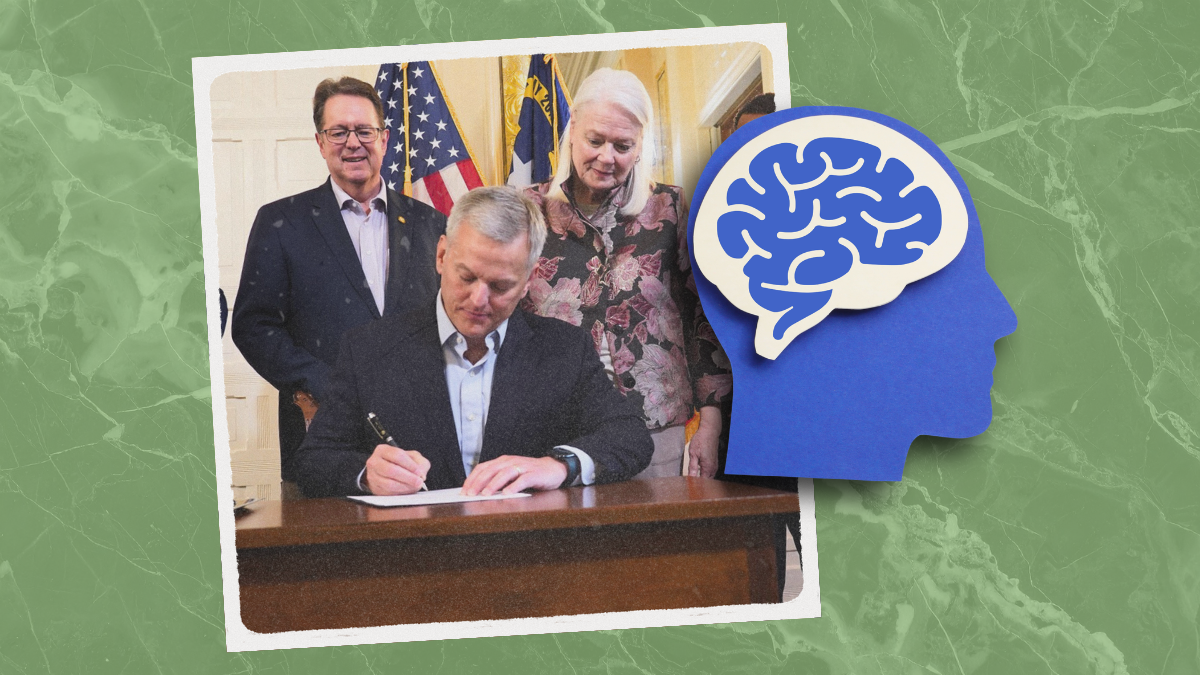
This month, North Carolina Governor Josh Stein signed a new executive order aimed at strengthening mental health care and protecting North Carolinians. The order, Executive Order No. 33, bolsters the capabilities of the behavioral health care system and the justice system in North Carolina, as well as the relationship between the two.
“When people in crisis do not get help in time, the consequences can be tragic,” Gov. Stein stated during the order’s announcement. The order points to a number of high-profile cases where lives were lost at the hands of individuals with complicated mental health histories.
The governor’s office highlights the following ways that Executive Order 33 will strengthen the state’s ability to care for such individuals, keeping them and those around them safe:
- Supporting the behavioral health and public safety workforce.
- Strengthening the behavioral health crisis system.
- Improving the involuntary commitment process.
- Strengthening behavioral health treatment for incarcerated people.
- Supporting young people in the juvenile justice system with behavioral health needs.
- Improving reentry supports for people with mental health needs.
Department of Public Safety Secretary Jeff Smythe asserted that the executive order would assist in reducing dangerous situations for law enforcement officers and the communities they serve.
“Law enforcement officers are often the first to respond when someone is in crisis, and they need the right tools and partners to do that work safely,” Smythe stated. “This executive order strengthens coordination between public safety and behavioral health professionals. That way, we can reduce dangerous situations, ease strain on officers, and improve outcomes for the people and communities we serve.”
In addition to the announcement, Gov. Stein furthered his case by writing an opinion article in The News & Observer titled “Keeping people safe means getting people help”. Gov. Stein said he has seen the concern when it comes to mental health challenges and public safety, and the link between the two.
Three-quarters of people entering state custody struggle with drug addiction, and more than 40 percent report mental health needs. In addition, nearly every juvenile has at least one mental health diagnosis.
“Most people living with mental illness pose no danger to themselves or others, but some experiencing severe forms of psychosis can. When their serious mental illness goes untreated, the results can be devastating,” Stein wrote. “These tragedies demand that we do better. And we can.”
Stein talked to officials across the state to see what gaps exist and how they can be filled. The most common response he heard was staffing shortages, which many state agencies, hospitals, and behavioral health centers are currently facing.
“Too many North Carolinians are struggling with their mental health. Ignoring the problem will not make it go away. Families need a way to treat a loved one who is in crisis. People who have made mistakes need a real second chance. And every North Carolinian needs to feel safe,” Stein wrote.
You can read the full executive order here.