Source: WRAL
Next month, the North Carolina Supreme Court is scheduled to hear whether the state must pay nearly $700 million to fund long-awaited public school investments, as ordered by a trial court.
For years, state Republicans leaders have argued against passing equitable investments towards public schools; going so far as to “strongly advocate” for the removal of the late Superior Court David Lee, who oversaw the state’s long-running Leandro school funding lawsuit.
Despite the late judge’s removal, the state Supreme court’s Democratic majority ruled that the Republican-led legislature must fund “Years Two and Three of an eight-year, school improvement plan in November 2022.
However, with the new makeup of the state’s Supreme Court, which features five of seven justices as Republicans, the future of the education funding lawsuit is up in the air.
State Republican Senate leader Phil Berger and state House Speaker Tim Moore have asked the conservative-leaning state Supreme Court to overturn the November 2022 decision entirely.
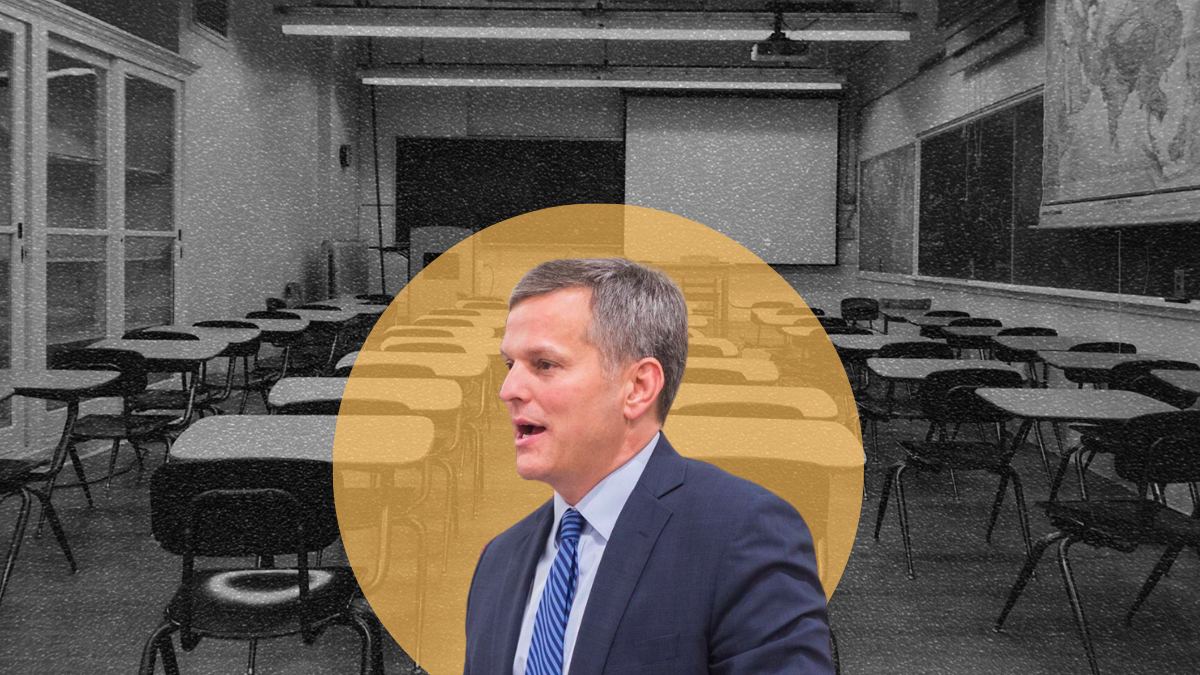
Ahead of the February hearing, North Carolina Attorney General Josh Stein submitted a brief on behalf of the State of North Carolina arguing that the North Carolina Supreme Court should not overturn its November 2022 decision in the education funding case.
“North Carolina’s children have a constitutional right to a sound, basic public education. Our General Assembly is failing them. This is the legislature’s latest attempt to shirk its responsibility to our students and avoid having to properly fund our state’s educational needs,” said Attorney General Josh Stein in a statement.
“The court correctly ruled in 2022 that the state must implement a court-approved comprehensive plan to give all children the education our constitution promises. Now, Republican legislators are asking the court to undo that decision – but the facts haven’t changed.”
The lawsuit known as Leandro v. State of North Carolina began more than three decades ago when school districts in five low-wealth counties sued the state, claiming that children were not receiving the same level of education as students in wealthier counties.
Thirty years later, the Leandro case remains one of the biggest public education policy issues in North Carolina. According to The Public School Forum of North Carolina, Hoke, Halifax, Robeson, Vance, and Cumberland, which were among the lowest funded counties in the state back in 1994, remain toward the bottom in terms of their ability to support public schools on a per-pupil basis.
Stein is currently running for Governor of North Carolina.