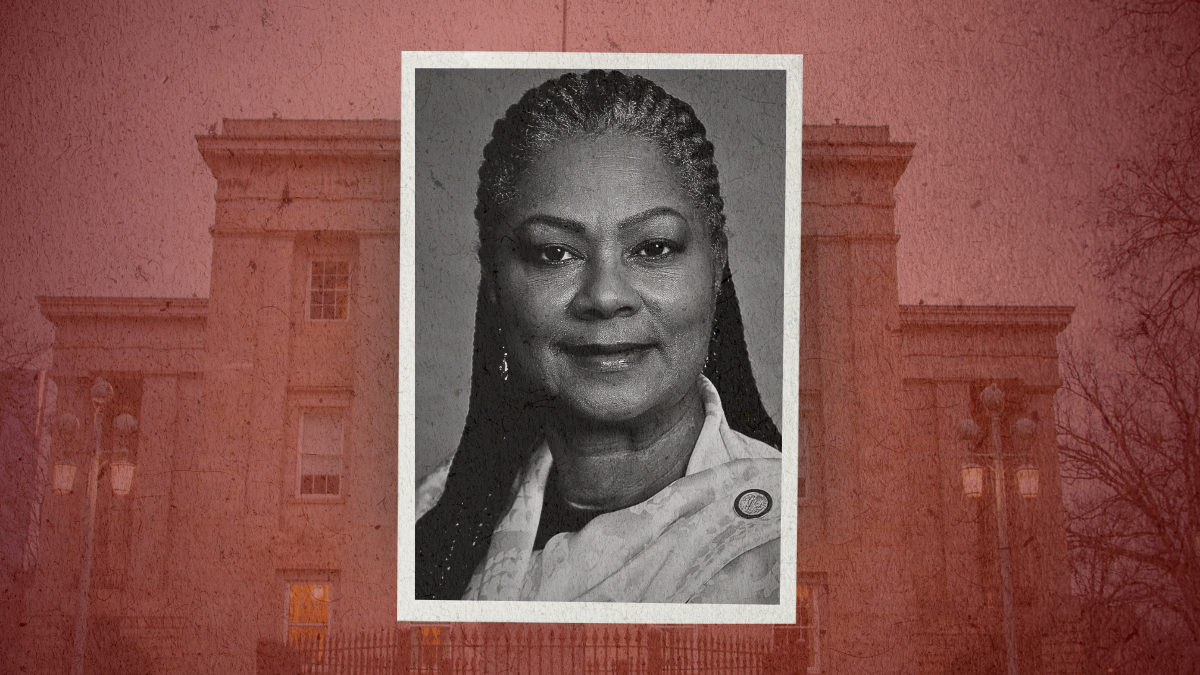
Representative Carla Cunningham faces a crowded primary as she seeks re-election after a year of voting with Republicans. Her controversial votes on many crucial bills may have Charlotte looking for a more progressive voice in the state legislature in the coming months.
The Charlotte Democrat has been serving North Carolina’s House District 106 since 2013, representing Mecklenburg County– a heavily Democratic area. However, in 2025, Cunningham sided with Republicans more than any other Democrat, breaking party lines and voting with the GOP 84% of the time on key issues such as immigration, the environment, government transparency, and the separation of powers.
Cooperation with ICE
Perhaps the most notable party deflection came when Cunningham voted to support House Bill 318: The Criminal Illegal Alien Enforcement Act. Sponsored by Republican House Speaker Destin Hall, House Bill 318 changes how North Carolina sheriffs interact with Immigration and Customs Enforcement (ICE) detainers. Cunningham was the only Democrat in the House to originally vote for the legislation. In addition to her vote, she made it a point to give a speech in favor of the bill. In her speech, she claimed that “all cultures are not equal” and called for immigrants to assimilate.
Cunningham also voted to override Governor Josh Stein’s veto of the bill. She received backlash from other Democratic lawmakers who called her comments embarrassing. At a town hall following the vote, Cunningham was faced with frustrated constituents, yet she defended her vote and her comments.
Rolling back climate goals
When lawmakers were faced with a bill that would allow Duke Energy to rescind their previously legally bound carbon reduction goals and charge customers in advance for the construction of power plants that may never be finished being built. Overwhelmingly, many Democrats decried the bill for the harm it would do to North Carolinians and the environment.
However, Cunningham voted in favor of it along with several other House Democrats. Gov. Stein vetoed the bill, arguing the state needs to focus on lowering energy bills, not raising them. Regardless, Cunningham persisted and voted to override the governor’s veto of the legislation again – putting Duke Energy, her fourth largest donor, ahead of the North Carolinians who elected her.
Political power grab
In addition to overriding several of Gov. Stein’s vetoes, Cunningham also joined Republicans in passing a bill that would further strip power from the Democratic Governor. House Bill 402: Limit Rules With Substantial Financial Costs gives the final say in approving certain rules and regulations set by state agencies to the Republican-led NC General Assembly. Before this bill, that authority belonged to Stein and other members of the Council of State.
Cunningham originally voted no on the bill, but later went on to vote in favor of the final legislation before it was sent to Stein. In a press release regarding the veto of the bill, Stein argued this would make implementing life-saving regulations harder for the state. Cunningham stuck with Republicans and overrode Stein’s veto.
Protecting dark money
When a bill was presented to lawmakers that would prevent public agencies from releasing information about political donations to certain nonprofits, it gave rise to concerns of dark money running through North Carolina politics and a lack of government transparency.
Cunningham joined Republicans in passing the bill, which Stein vetoed, claiming our democracy works best when people are well-informed. Representatives Cunningham, Shelly Willingham, and former Representative Cecil Brockman were the only democrats to vote to override Stein’s veto of the bill.
After voting to roll back carbon reduction goals, increase electric bills for North Carolinians, ignore the separation of powers, and prevent government transparency, Cunningham showed her constituents where her values lie. Cunningham has found herself now running in a primary where her opponents say she no longer represents the district.
When speaking about Cunningham’s race, Stein said, “The people of North Charlotte deserve a representative who will fight for Democratic values, defend our public schools, and keep costs down.”
In the Charlotte race, Cunningham is running against Rev. Dr. Rodney Sadler, a local pastor and community advocate who has been endorsed by Gov. Stein.
“I am proud to stand with Rev. Dr. Rodney Sadler in his campaign to put people first,” Gov. Stein said in a statement. “The people of North Charlotte deserve a representative who will fight for Democratic values, defend our public schools, and keep costs down. Rev. Dr. Sadler will help us build a North Carolina where we can all afford to thrive.”
According to WRAL, Rev. Dr. Sadler said he is running to support public schools and improve affordability — both issues he accuses Cunningham of falling short on as seen through her votes on Republican-backed bills, Senate Bill 266 and Senate Bill 254.
As we enter this election season, it’s important to remember voters have the right and the power to be represented by someone who works towards their values, not against them.
The 2026 primary elections are just a few weeks away for many counties across our state, giving millions of eligible North Carolina voters the chance to determine who will face off in November’s general election.
As the primary elections come closer, here are some important dates to keep in mind:
- Voter registration deadline is Feb. 6th
- In-person early voting starts Feb. 12th and ends on Feb. 28th.
- The primary election day is March 3rd.
For more information about this year’s primary elections, go to NCSBE.gov