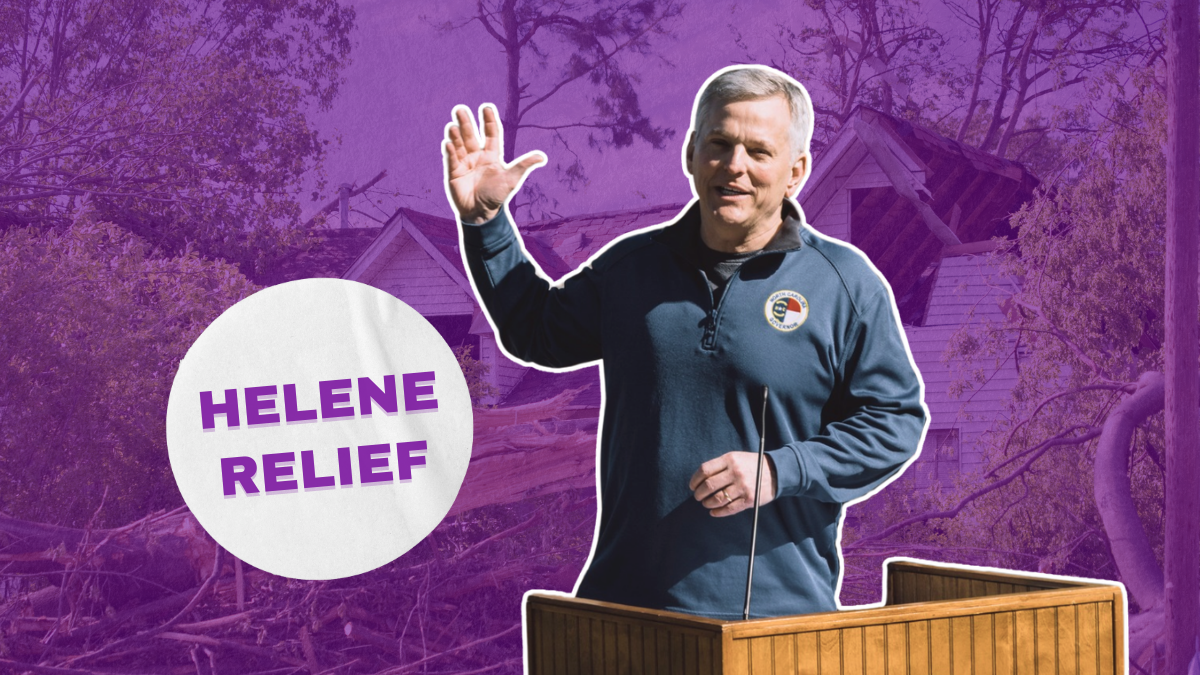
Earlier this month, North Carolina Governor Josh Stein announced an additional round of funding for ongoing Hurricane Helene recovery efforts in Western North Carolina. The grants include $24 million for mitigation projects and $16 million for volunteer rebuilding efforts, in order to help the region with long-term recovery efforts and help communities there better withstand future natural disasters.
“Western North Carolina is coming back strong from Hurricane Helene, and we have learned that it will take all levels of government working alongside our private and nonprofit partners to both recover and prepare for the next natural disaster,” Stein said.
The $24 million in mitigation grants will help local governments upgrade wastewater and water infrastructure, strengthen transportation systems, relocate facilities out of flood-prone areas, expand flood warning networks, and develop shovel-ready recovery projects. The $16 million in volunteer grants will go to nonprofit groups aiding families with home repairs and reconstruction.
“These projects showcase the whole-of-community effort that is underway to assist communities with mitigating risk and impacts from future events and rebuilding stronger,” said North Carolina Emergency Management Director Will Ray.
Funded projects include flood mitigation in Black Mountain, stormwater improvements in Hendersonville, the relocation of a volunteer fire department in Clyde, bridge design and stream stabilization in Hot Springs, and flood mitigation planning in Lake Lure.
View the full list of grant recipients here.