Amid Federal Cuts To SNAP, Food Insecurity is Hitting Thousands of NC Children And Families
About 600,000 children in our state rely on federal food assistance programs such as SNAP, or the Supplemental Nutrition Assistance Program.

About 600,000 children in our state rely on federal food assistance programs such as SNAP, or the Supplemental Nutrition Assistance Program.

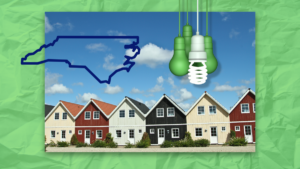
North Carolina is one of only two southeastern states with a fully running Home Efficiency Rebate program. Energy Saver NC supports residents who want to electrify their homes and use that electricity more efficiently, offering up to $16,000 toward new appliances, better insulation, or other purchases that help a home use electricity more efficiently.

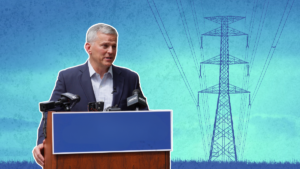
North Carolina Governor Josh Stein announced his opposition to the rate hikes, saying, “Duke Energy’s proposed rate hike is simply too high and comes as the company is also retreating on more affordable clean energy. At a time when families are struggling to make ends meet, we should be doing everything we can to make life more affordable, not less.”

Advocates argue that at a time when families are struggling to afford premiums, prescriptions, and medical bills, North Carolina needs leaders who will protect and expand access to care. Whatley’s record shows support for policies that would raise costs and weaken health care security for hundreds of thousands of North Carolinians.

North Carolina Governor Josh Stein’s Energy Policy Task Force released its interim report last month, with a set of nine recommendations for ensuring that North Carolinians have affordable, reliable, and clean energy supplies as demand for energy skyrockets in the state.

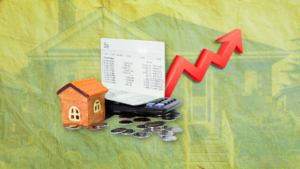
The current rise in home insurance rates places a heavy cost burden on a significant portion of Black households compared to other communities. According to data from Zillow, 19% of Black households nationwide are cost-burdened, compared to 12% of white households, 17% of Hispanic households, and 18% of Asian households.

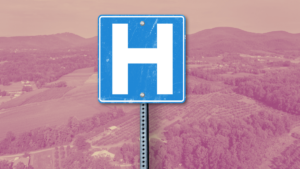
Seventy of North Carolina’s seventy-eight rural counties are considered medical deserts due to a shortage of primary care providers. And while 33% of the state’s population lives in rural areas, only 12% of physicians in the state practice there. Twenty counties in the state don’t have a single pediatrician, while another twenty don’t have a hospital.

Energy Saver NC, which has $208 million of funding through 2031, provides two types of rebates to eligible households.

Two newly released polls paint a stark picture of the rising concerns from North Carolinians around the U.S. economy and Trump’s tariffs.

Advocates say The Cost We Carry Storybook is meant to force lawmakers to confront the human cost of their inaction. As Johnson put it, “This report is about making sure our state lawmakers hear directly from hard-working North Carolinians — and start serving people, not greedy corporations.”