
Western North Carolina Needs Our Help After Helene – Here’s What You Can Do!
Hurricane Helene will go down in history books for destroying much of Western North Carolina. This part of our state will never be the same. And they greatly need our help.
Hurricane Helene will go down in history books for destroying much of Western North Carolina. This part of our state will never be the same. And they greatly need our help.
Orphaned wells are inactive oil and gas wells with no proper owner and are deemed environmental hazards by the United States Department of Interior. The U.S. is home to an estimated 3.9 million abandoned oil and gas wells.

Natron Energy plans to bring more than 1,000 jobs and $1.4 billion to Edgecombe County by building a battery plant. The factory will manufacture sodium-ion batteries, a clean energy technology that can be used to power AI data centers and EV charging stations.

Until the hazards are dealt with, the National Park Service recommends avoiding swimming, fishing, surfing or wading in the affected area. If your skin comes into contact with contaminated sediment or water, the National Park Service recommends thoroughly washing the area with soap and water.

VP Kamala Harris and Gov. Tim Walz have proven their dedication to reducing the amount of PFAS people come into contact with from drinking water to consumer goods. Both politicians have shown they understand the dangerous reality of these chemicals

North Carolina will receive over half a million dollars to test lead in drinking waters at schools and child care centers.

“These chemicals cause cancer, these chemicals cause a multitude of other diseases. These chemicals damage our environment,” resident Jill Hoffman declared at a heated public hearing.

The funding, which aims to reduce air pollution, enhance environmental justice, and bolster climate resilience, is seen as a vital step in the fight against greenhouse gas emissions.

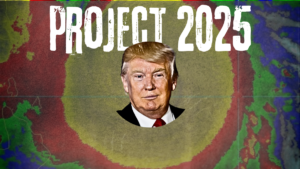
Should Trump take the presidency, Project 2025 recommends that the National Weather Service “should fully commercialize its forecasting operations.” Effectively privatizing weather data could hinder everyday Americans’ access to weather data.

The funding will facilitate a range of initiatives, including the construction of new facilities, upgrades to existing water systems, and the removal of harmful contaminants.