
Economy
Editorial: Why The Latest Duke Energy Rate Hike Crosses The Line
Like many North Carolinians, I am tired of being treated as a revenue stream for a monopoly utility while working families struggle to keep the lights on.

Like many North Carolinians, I am tired of being treated as a revenue stream for a monopoly utility while working families struggle to keep the lights on.

‘I fear every day that somebody is going to say, You don’t have these services anymore,’ said Meredith Vaughn. Meredith Vaughn’s daughter, Vivian, or “Vivi,” as her friends call her, is 12 years old. She is a voracious reader and loves the musicals “Wicked” and “Hamilton.”

Stacy Staggs’ twin daughters, Emma and Sara, were born 12 years ago at just 27 weeks and 4 days. Since that day, Emma has required virtually around-the-clock care to survive, and without a Medicaid waiver program, there’s no way the family could pay for her care.

In an age of healthcare advancements, and in a state where growth and opportunities seem readily available, many of the state’s communities are simply being left behind.

North Carolina has the resources. The state is projecting a significant surplus. The question is not whether we can afford to invest in experienced teachers—it is whether our leaders choose to.

To see the real impacts of Trump’s tariffs on hardworking Americans, journalist Alyssa Burr spoke with two small business owners in Asheville and Raleigh.

Days after educators descended upon Raleigh to advocate for public education funding, a prominent group of retired judges, justices, and education leaders is seeking to

Republicans often equate the raw cost of Medicaid with waste and abuse, a dangerous oversimplification for families whose healthcare needs are both genuine and extremely expensive.
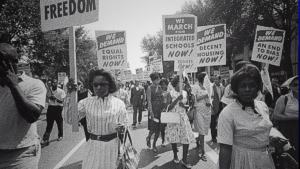
A Black mayor in Western North Carolina reflects on a conversation with his grandmother, who fought for civil rights and the Voting Rights Act 50 years ago. In the wake of the U.S. Supreme Court decision last week, that fight continues.
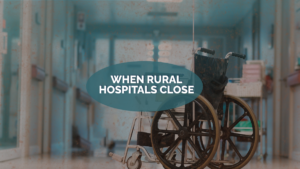
The 2023 closing of Martin General left 21,000 people without access to emergency health care. In a county where nearly a third of the community relies on Medicaid, the consequences have been severe.