Source: Grist
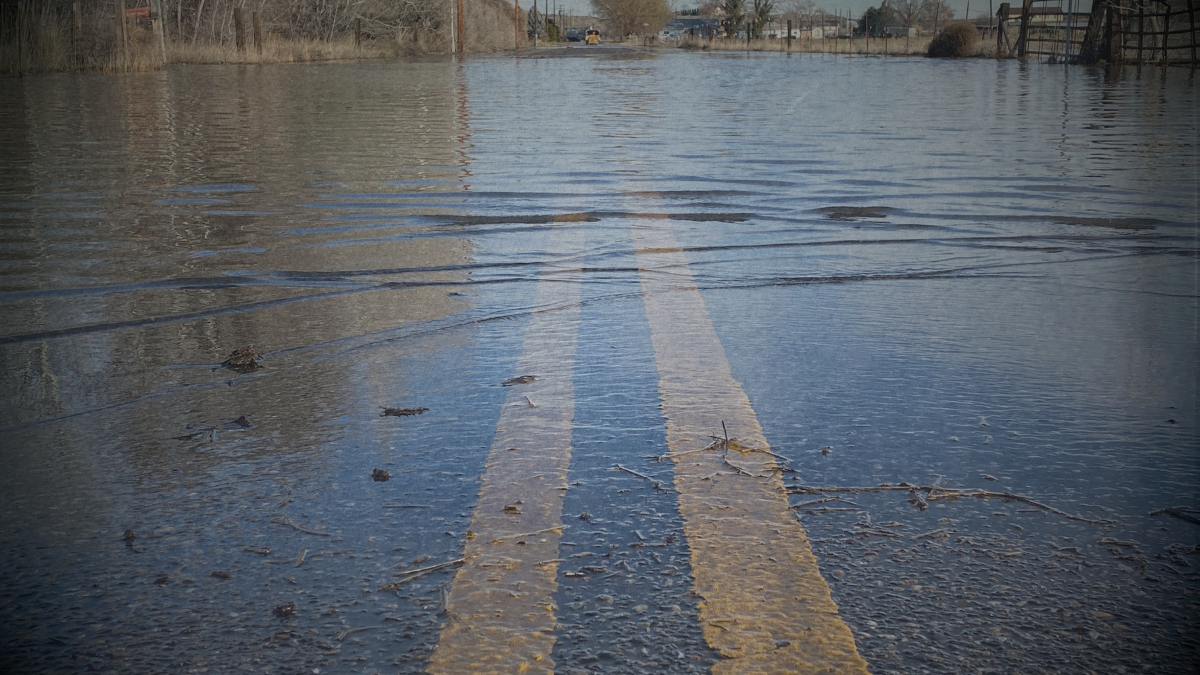
Princeville, the oldest community in the United States founded by formerly enslaved people, has been battling floods for years. The once thriving tobacco community faces an existential threat from climate change, stay and fight or relocate to higher ground.
The idea of relocating the town first came about after Hurricane Matthew. The state of North Carolina stepped in to help, buying 53 acres of vacant land near Princeville and providing funds to town leaders to plan a new mixed-use neighborhood with apartments and businesses.
The federal government has stepped in to help with the relocation effort. FEMA has provided grants to assist with the move, and the Army Corps of Engineers is exploring ways to protect the remaining communities along the coast.
The decision to relocate is not one that anyone takes lightly. It would mean leaving behind homes, memories, and a way of life. However, that relocation may be the only way for Princeville to survive in the long term. The relentless floods won’t stop, and the town cannot keep rebuilding in the same place.
“Here we are in the midst of hurricane season again, and we’re just praying,” said Princeville Mayor Bobby Jones.
While relocation is a difficult path, it is one that Princeville may have to take to ensure its future. The community is strong and resilient, and with the help of federal funding, they can rebuild their lives on higher ground.