
Source: Carolina Public Press
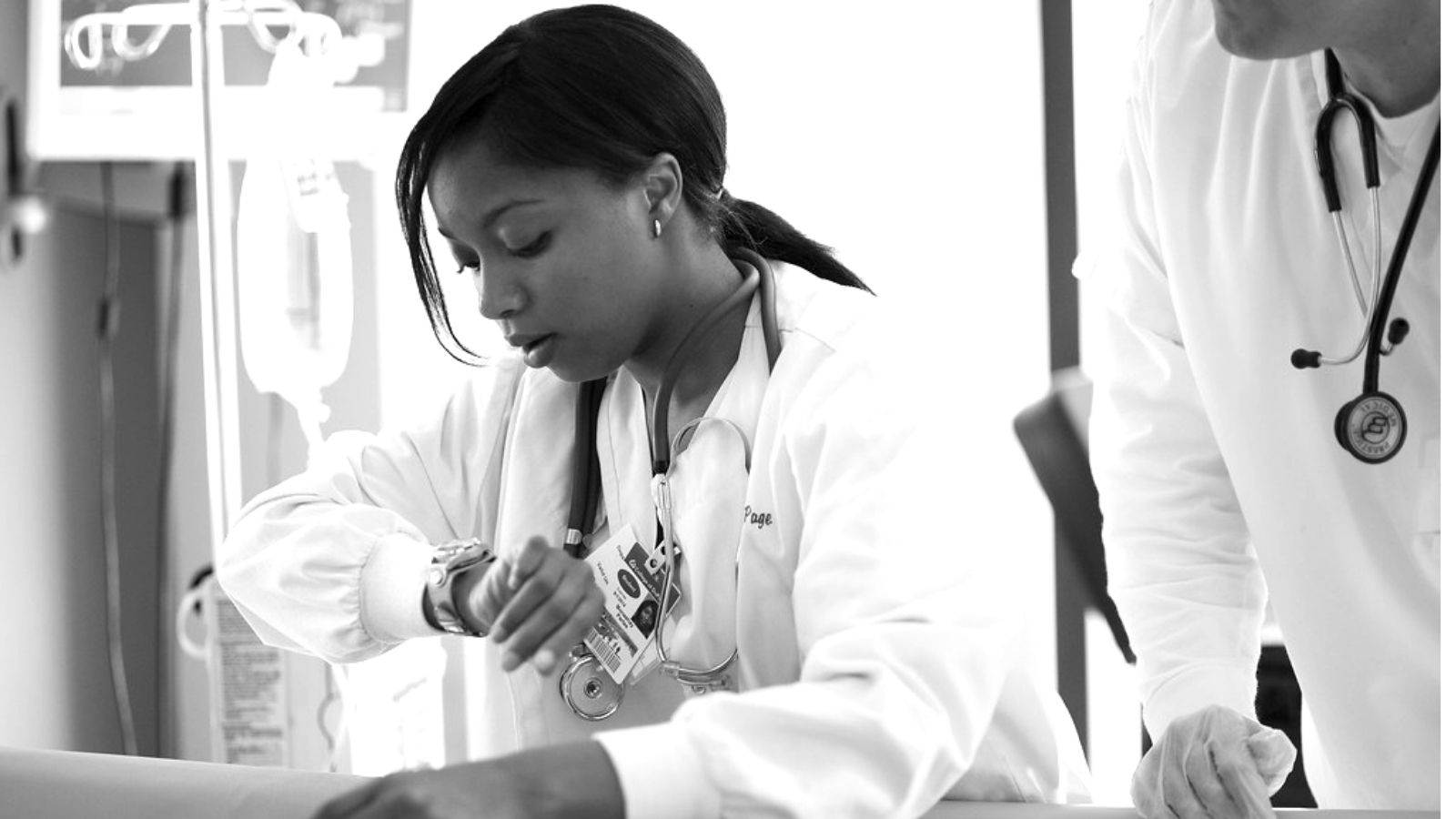
Last year, the state legislature allocated $125,000 to Cumberland County for a pilot training program to train nurses to care for sexual assault survivors. The funds will be used to train students at Fayetteville State University (FSU), a historically Black university. The university hopes to train 10 students this summer to become sexual assault nurse examiners, otherwise known as SANE nurses.
According to the Carolina Public Press, SANE nurses are trained to handle forensic evidence related to sexual assault as well as provide compassionate and culturally sensitive care for survivors. According to the National Alliance to End Sexual Violence, 19% of black women are more than 1 in 3 indigenous women will face sexual assault in their lifetime. 18% of white women are likely to experience sexual assault in their lifetime as well.
Despite these statistics, there are not many SANE nurses of color. Shelia Cannon, the Associate Dean of the Fayetteville State University School of Nursing, said that the university is uniquely positioned to help address this disparity. Cannon said, “Because we are so culturally diverse here at FSU, we can certainly generate more people of color who are SANE-trained and can grow that interest in that way.”
According to a survey of about 580 FSU nursing students, 80% of students are interested in SANE training. The funding may run out, but Cannon said she hopes to get additional funding to continue growing the program and train more students.
Attorney General Josh Stein’s office is also taking steps to increase the number of SANE nurses across the state and provide more care for sexual assault survivors. Last month, Stein’s office announced an initiative to train 50 additional SANE nurses and expand rape kit testing.