Source: WRAL
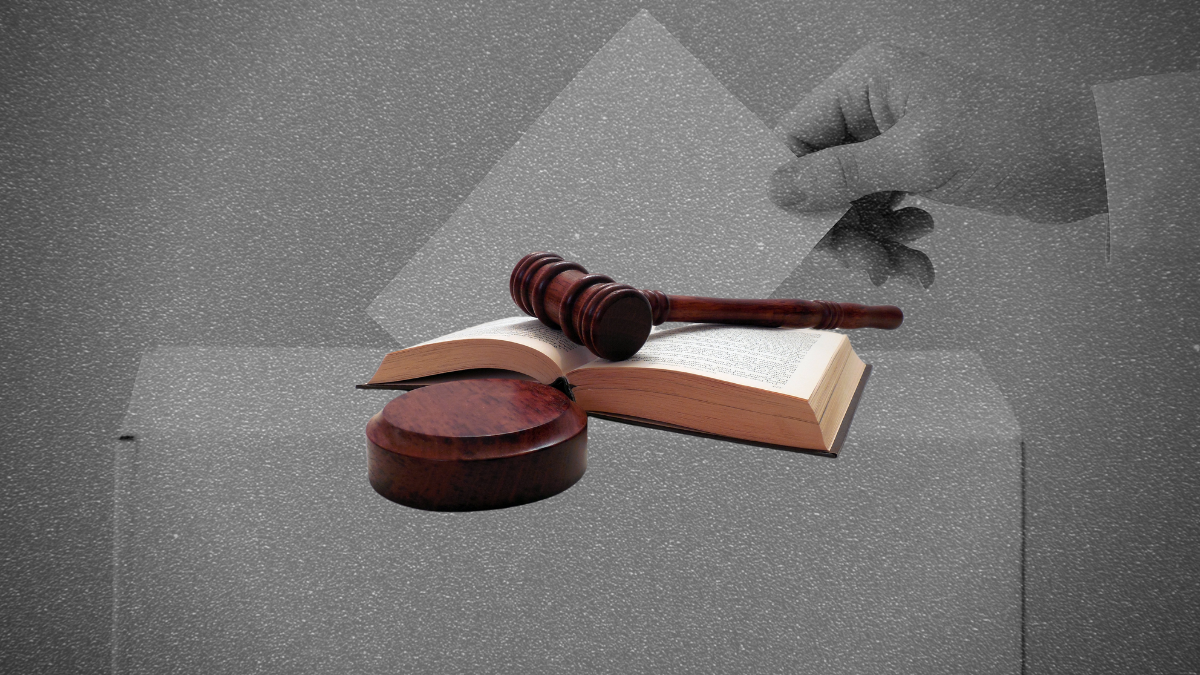
A federal judge blocked a portion of state Republicans’ controversial elections’ law that could prevent many North Carolinians from exercising their right to vote.
Under state Republicans’ backed law, the state sends out a postcard to verify the address of someone who registers or changes their address at a one-stop voting site. If that card gets returned by the U.S. Postal Service, that voter’s ballot would be canceled.
According to Spectrum News, the federal judge said this portion of the law related to certifying voter addresses could be unconstitutional.
The recent ruling temporarily bans the state from enforcing this controversial measure, and will be blocked ahead of North Carolina’s Super Tuesday primary on March 5.
The ruling is a small win for North Carolina voters and advocates. According to WRAL, plaintiffs in the federal lawsuit cited dozens of past cases of postcards being returned as undeliverable that turned out to be because of errors by postal workers or election staffers, not because the voter had given a fake address.
“It’s simply un-American that you can have your ballot not counted, and not be told or given an opportunity to address it,” stated Seth Waxman, a lawyer for the NC Democratic Party, during a court hearing last month.
Early voting for North Carolina’s primary elections begins Feb. 15. North Carolina’s primary Election Day is on Super Tuesday, March 5.
For information about this year’s elections, visit the State Board of Elections FAQ page, click here.