
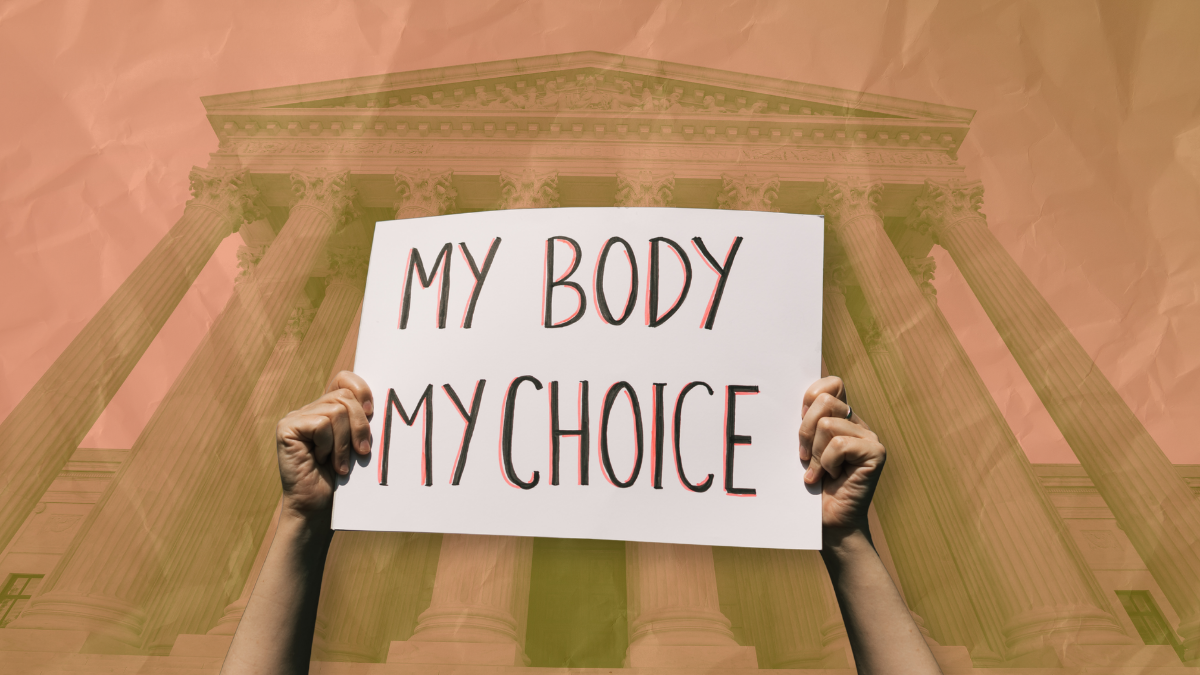
In the four years since the right-wing-leaning Supreme Court overturned Roe v. Wade, reproductive health care access has remained vulnerable across the country. Currently, 13 states have implemented a total ban, according to a KFF analysis.
Despite the restrictions, data from the Guttmacher Institute found that the number of abortions has remained relatively unchanged from 2024 to 2025, with individuals continuing to seek reproductive health care.
As Republican-led legislatures across the country continue to dismantle reproductive rights and abortion care, access to contraception has emerged as their newest target.
Back in May, the Supreme Court temporarily allowed continued nationwide access to abortion medication; however, the Trump administration and Republicans are attempting to ban it altogether.
Recent polling from the Pew Research Center has found that a majority of Americans say abortion care should be legal in all or most cases. Despite the overwhelming support for abortion care, the fight for protections will come down to state legislatures and courts across the country.
In North Carolina, state Democrats have proposed bills to push back against restrictions and protect reproductive health care for communities. Last month, state Democrats unveiled a package of bills aimed at improving Black maternal health, expanding lactation training programs at HBCUs, and a “MOMnibus” initiative aimed at bringing maternal health services to rural communities.
“We are here because once again we have refiled the North Carolina MOMnibus,” Sen. Natalie Murdock (D-Durham), the bill’s sponsor, told reporters. “We will continue filing the North Carolina MOMnibus until outcomes for Black moms and their children improve. Health care is a basic human right, and this is health care.”
State Democrats also proposed Senate Bill 413, which would codify access to contraception granted in Griswold v. Connecticut into North Carolina law.
“Whether or not people can afford to have a child should not be the determining factor for them to start a family, but that is the situation that millions of Americans and millions of North Carolinians have been forced into,” stated Sophia Chitlik (D-Durham) during a press conference following the bill’s release. “If we do not protect the right to contraception, they will be forced into economic catastrophe, and we will see skyrocketing rates of child poverty in our state.”
While abortion care remains legal and available in North Carolina, the future of reproductive health care access will increasingly depend on voters.
As federal protections are in limbo, state courts will become the front line in the fight to protect civil rights and hold lawmakers accountable when they overstep constitutional limits. In the upcoming November elections, North Carolinians will be able to vote for leaders, especially for the state Supreme Court, who can reaffirm reproductive protections.
With nearly four months away from November’s elections, it is more important than ever to elect judges and leaders who will be committed to upholding these constitutional rights.