
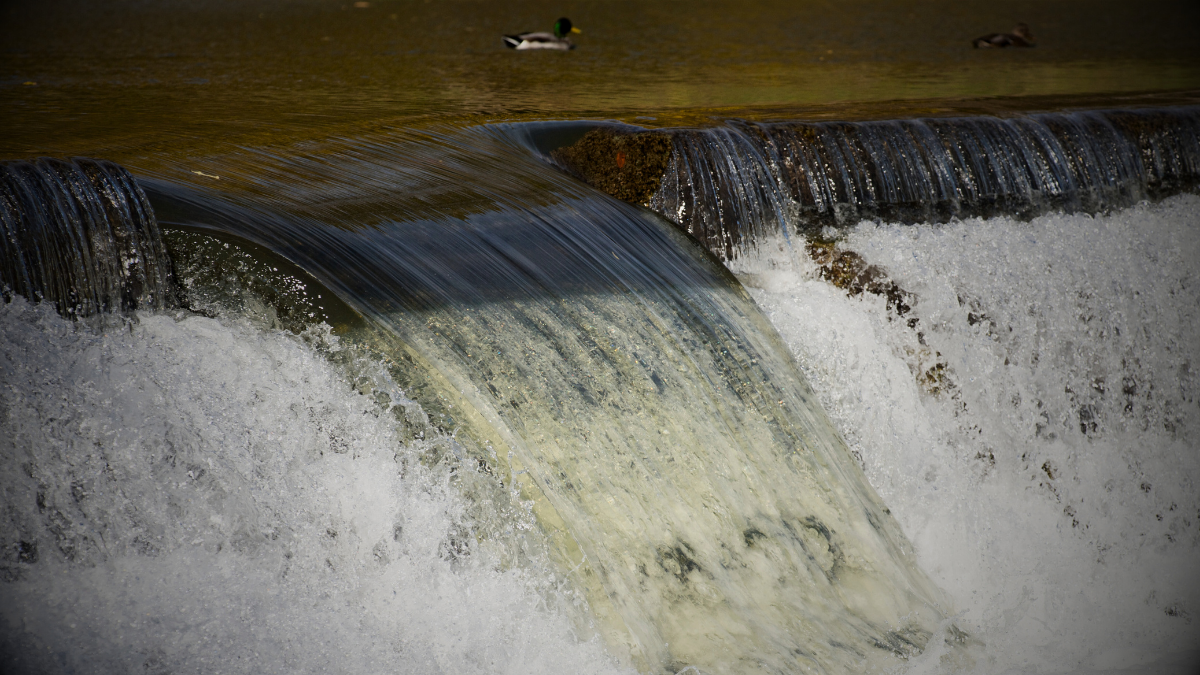
Source: WFAE
After decades of work, environmental groups finally achieved a major victory for the Watauga River. On July 2nd, the last dam on the waterway, Shull’s Mill Dam, began to be dismantled. This marks a significant milestone in the restoration of the river’s natural flow, stretching from its headwaters near Boone, North Carolina all the way to Watauga Lake in Tennessee.
The dam itself had been a crumbling relic for years, with a gaping hole in its center from a flood in the 1940s. “It’s so deteriorated, we’re going to have to handle it a different way and pull it over in sections,” said Chad Shirley, a facilities operations specialist with the U.S. Fish and Wildlife Service.
The dam’s partial presence still disrupted the natural movement of water and aquatic life. Environmental groups celebrated the dam’s removal, hailing it as a chance for the river to return to its free-flowing glory. This will allow fish species like migratory trout to travel the entire length of the river once again.
The removal process is expected to take a few weeks. While the dam’s functionality was long gone, its complete dismantling signifies a new chapter for the Watauga River. Environmentalists hope this project will not only revitalize the river’s ecosystem but also serve as a beacon for future river restoration efforts.